
HQ Review: Ballet 314’s “The Nutcracker and the World’s Fair”
The Nutcracker, a holiday staple in dance companies and schools all around the world, has undergone many reimaginings since its first production in Russia in 1892. Set to the beloved score by Pyotr Ilyich Tchaikovsky, the original version of the ballet was choreographed by Marius Petipa, who took inspiration from the book “The Story of the Nutcracker” by Alexandre Dumas. Interestingly, Dumas’ version was itself a retelling of “The Nutcracker and the Mouse King,” meant to soften the original dark, uncanny story by E.T.A. Hoffmann, to make it more geared toward children.
Revised and popularized in the United States by choreographer George Balanchine in 1954, the ballet has come under scrutiny over the past few decades for some of its more outdated themes and problematic stereotyping. As such, many choreographers have sought to reinterpret this story of a young girl in a magical dreamscape of dancing snow and holiday treats to better suit a modern audience.
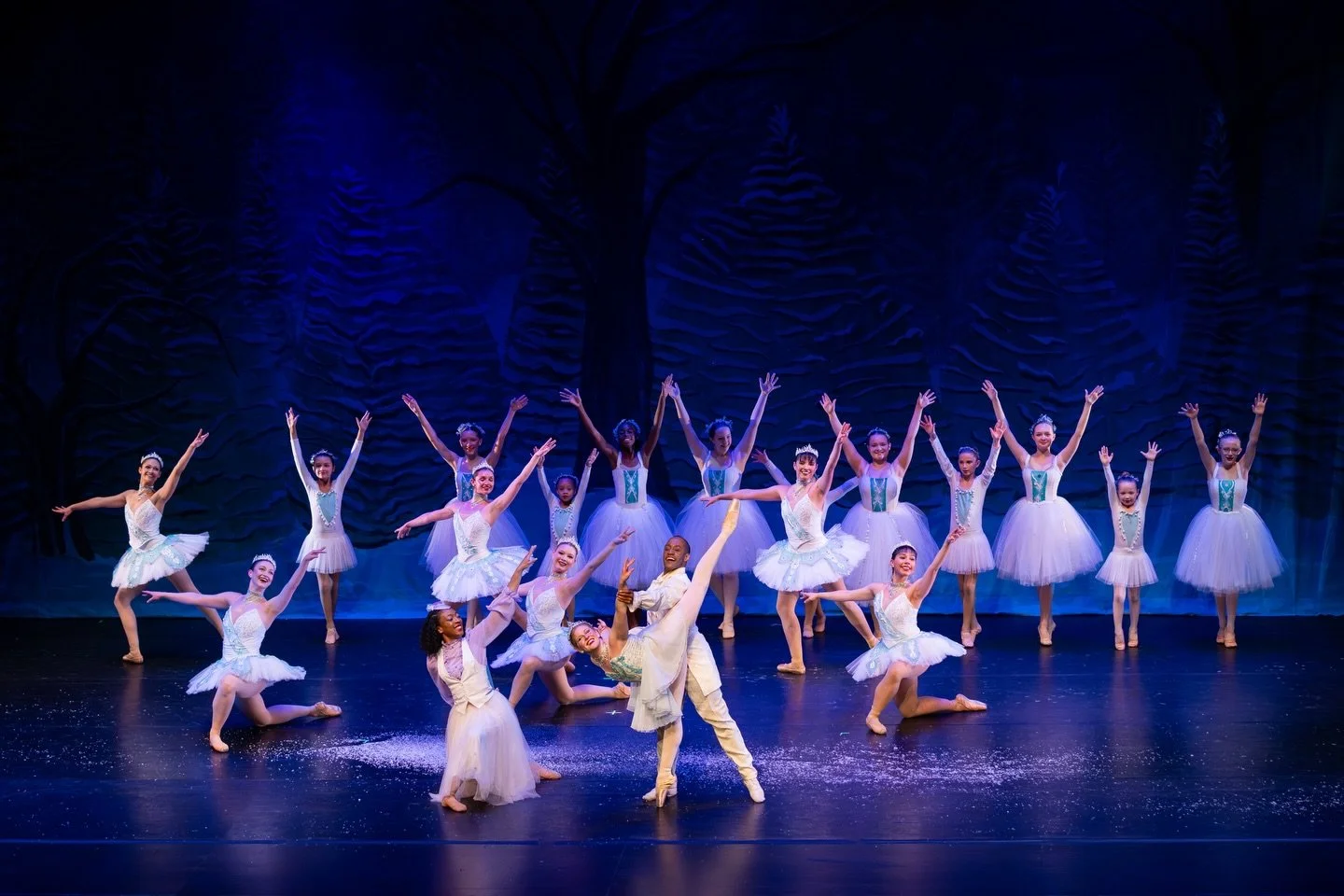
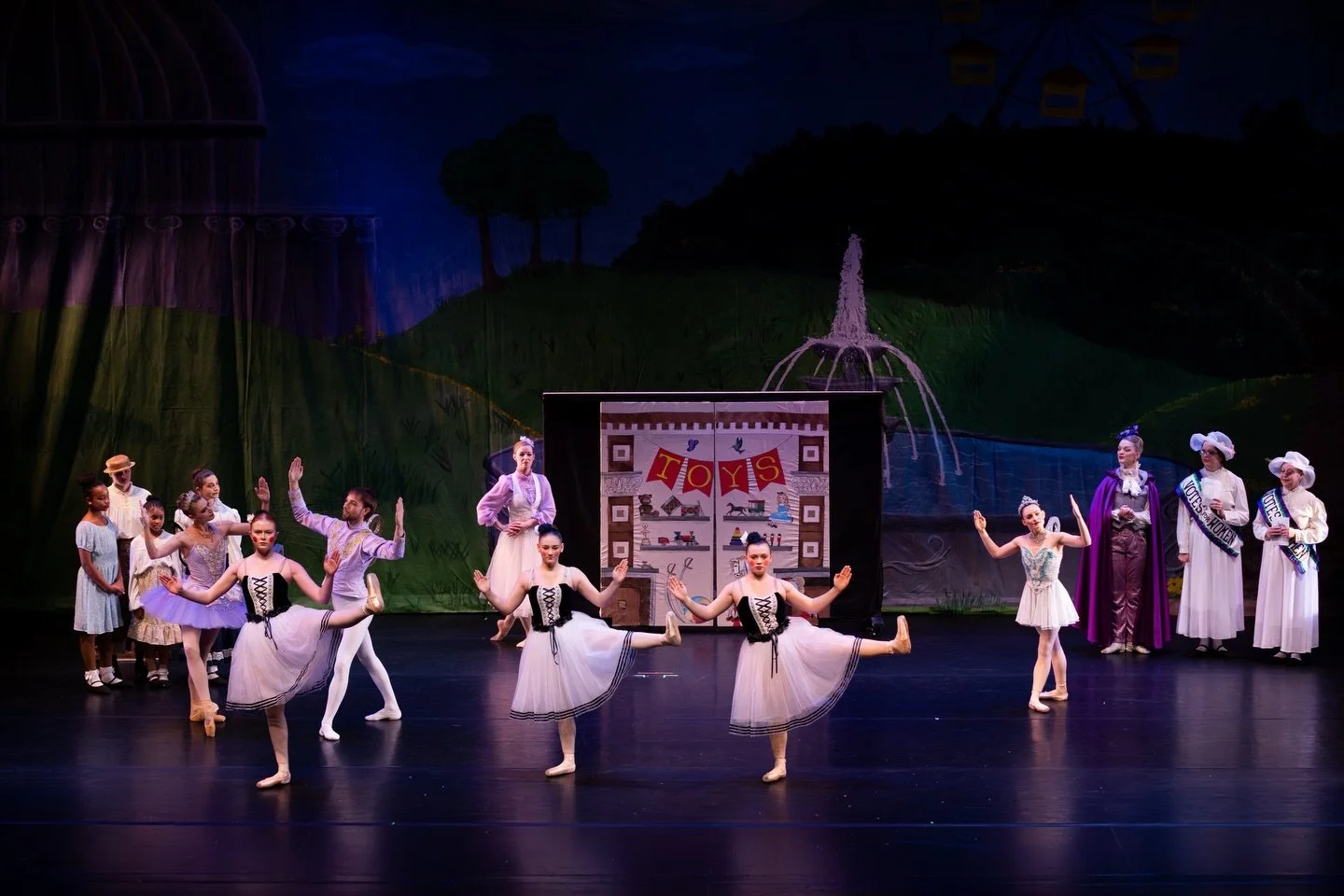
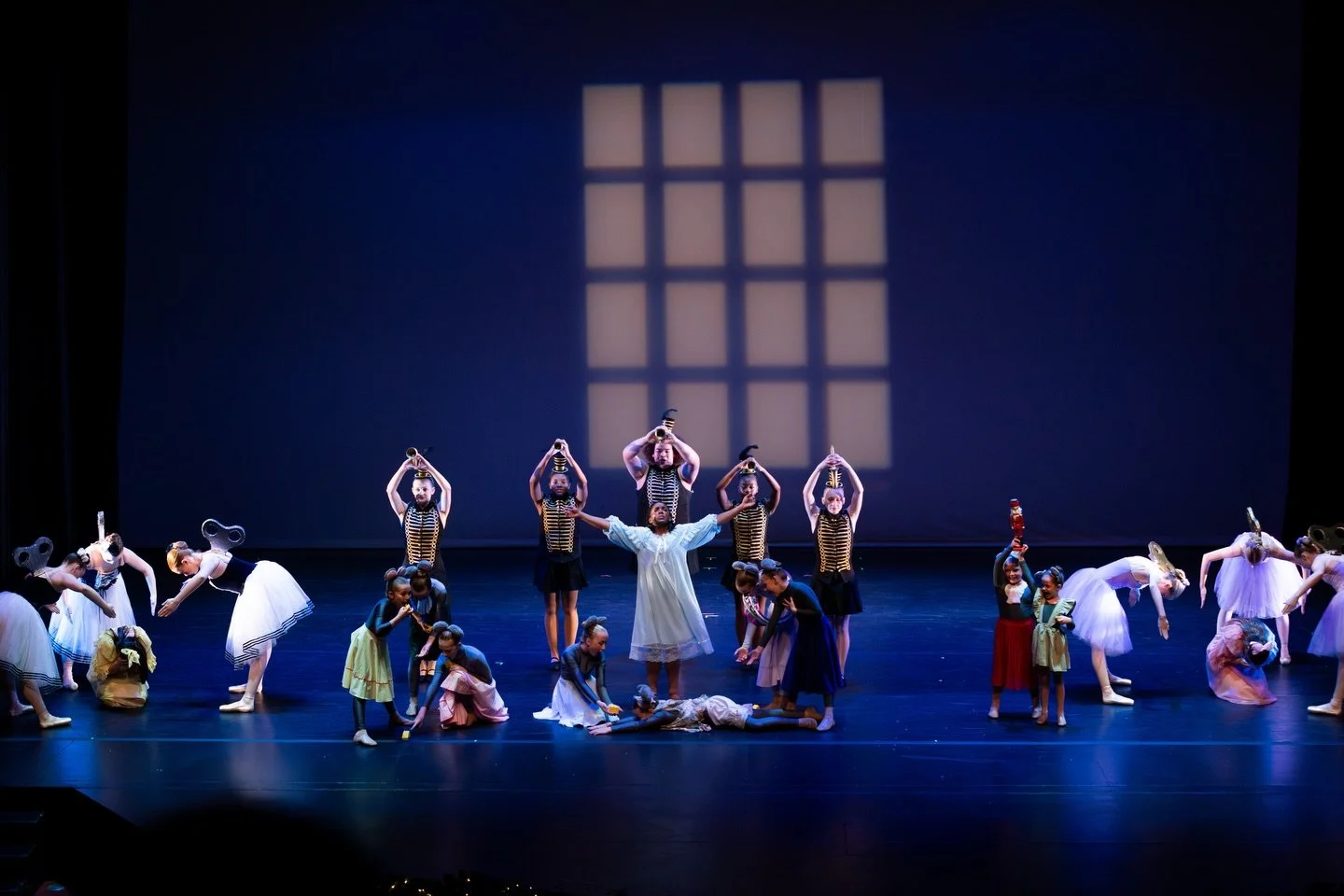
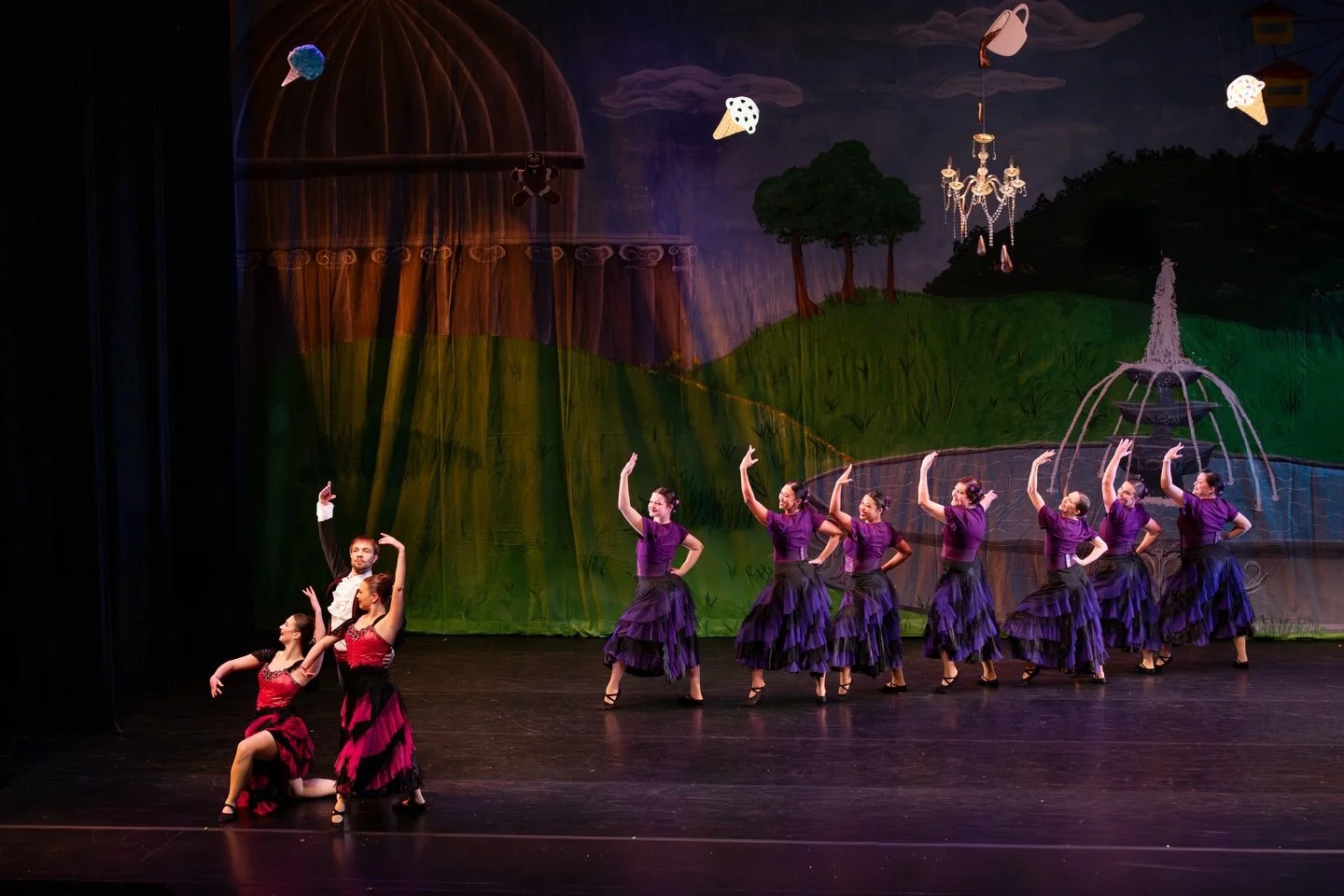
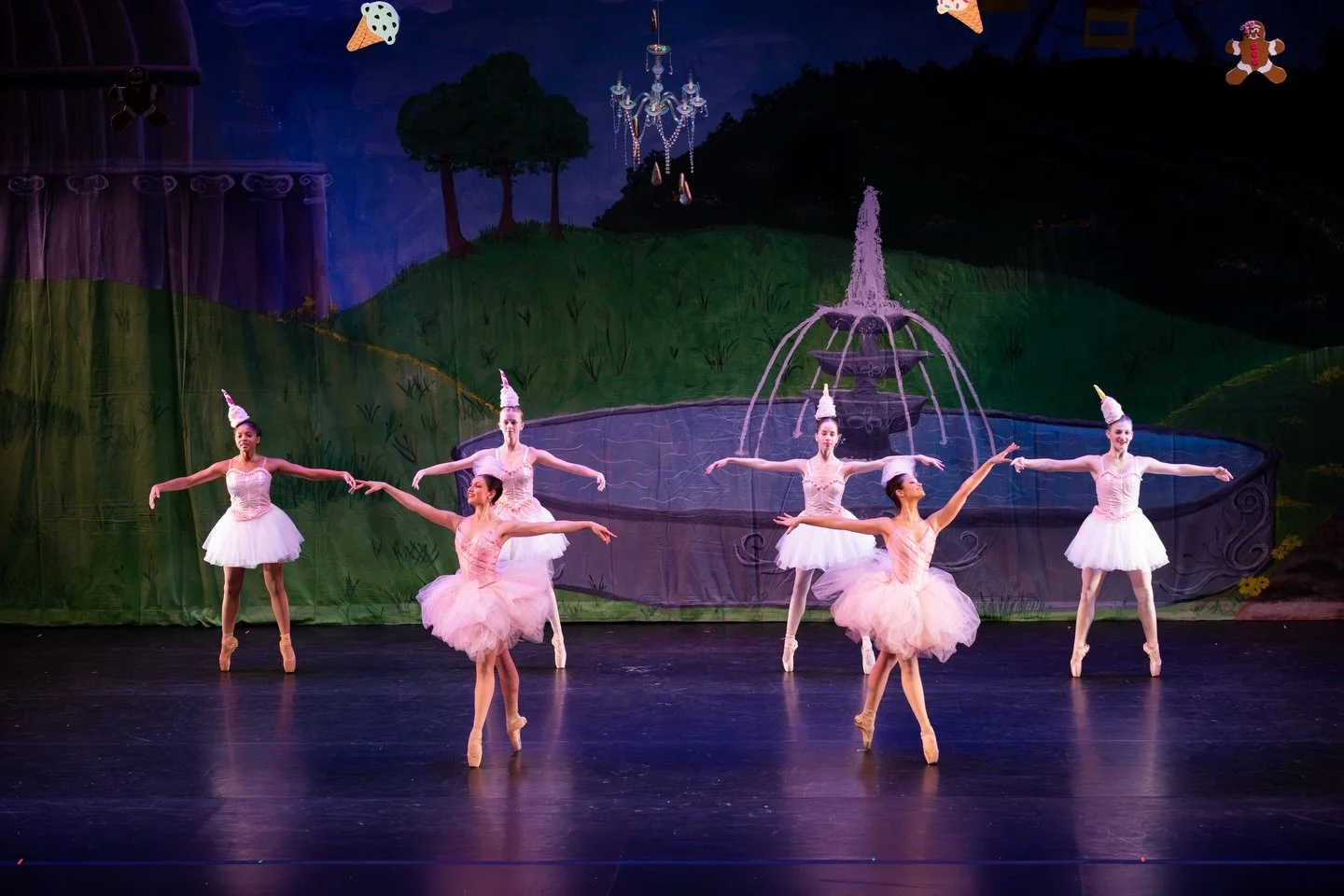
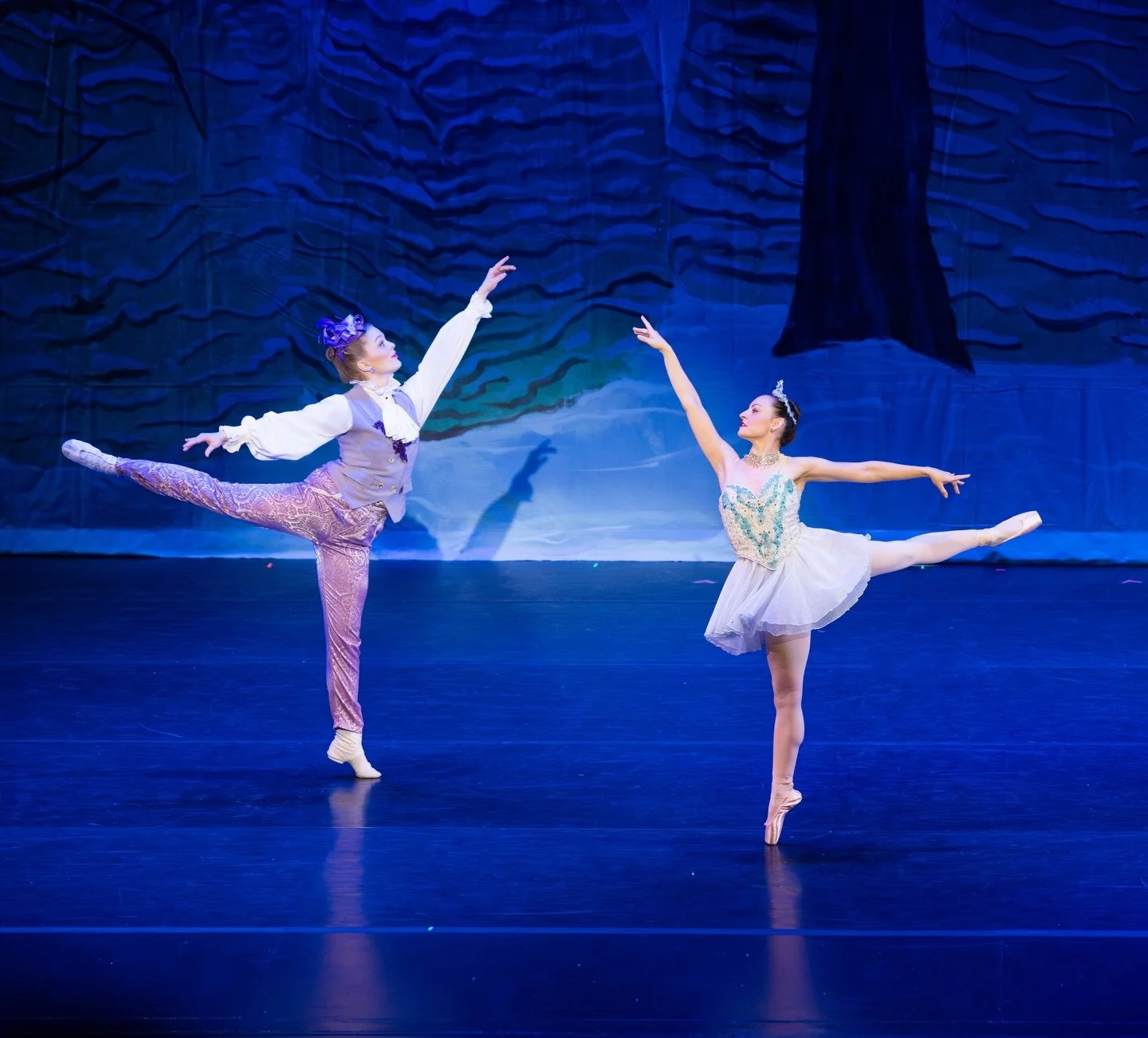
This season marked Ballet 314’s seventh production of their particular version: “The Nutcracker & The World’s Fair.” In this clever retelling, choreographers and directors Rachel Bodi and Robert Poe incorporate an exciting chapter of St. Louis’ history into the ballet. The World’s Fair serves as an ideal backdrop for this magical story—a real-life event that engendered wonder and novelty, catapulting people of the time out of their everyday lives and connecting them with exciting new ideas and cultures. The fair offered everyday people a chance to engage with wonder: miniature Ferris wheels, colorful banners, towering exhibition halls, exciting inventions, and unfamiliar music and foods would have flooded the senses. Ballet 314 was also able to integrate many of the elements audiences have come to love about the Balanchine version—dancing dolls, swirling snowflakes, colorful sweets, and general merriment—into their version of events.
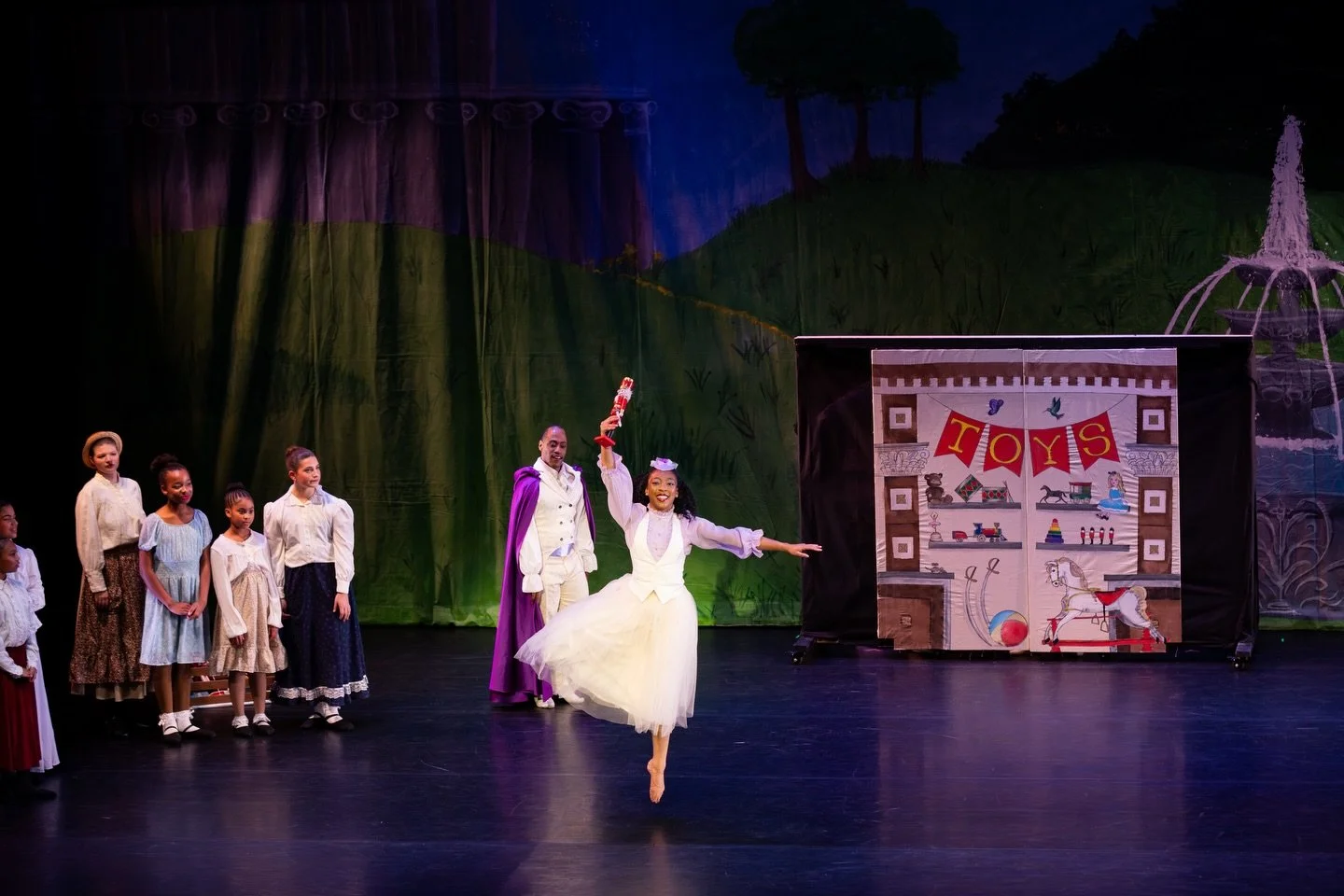
In this version, Clara, played by Jamila Scales, is joined on her adventure not by a nutcracker-turned-prince but by her two sisters, Marie and Louisa (Trilhasua Firsching and Abigail Kresno). The story begins with the family gathered around a Christmas tree the night before Christmas, reminiscing on their trip to the World’s Fair the previous spring. We are taken back into this memory together: the exciting treats, sounds, magic, and oddities from around the world appearing on the stage. A small mouse darting across the stage makes a brief appearance, startling the poor nanny into a fainting spell. It is at the World’s Fair that the family meets the Toymaker, played by Abbie Hinrichs, who wows the crowd with her many dancing wind-up toys. Clara notices a child enduring a familiar childhood tragedy—the dropping of a brand-new ice cream cone. She replaces the lost treat, and her kindness brings her to the special attention of the Toymaker, who presents her with a gift. Back in the present, gathered around the Christmas tree, the family goes to sleep, and in Clara’s dream, the memories of the World’s Fair come alive all around her. Dancing mice, bees, flowers, birds, fairies, and treats of all kinds fill this second act as Clara and her sisters are ushered deeper into her dream, led by the dancing snowflakes. When she awakens from her dream, she is back in her home on Christmas morning and opens a mysterious gift left by the Toymaker. She opens the box to reveal a nutcracker.
A standout section in the second act was “Birds,” set to the brief and upbeat Tea (“Chinese Dance”) from The Nutcracker Suite and performed by Eugenia Jones. This bright blue bird is set free from her cage in precise, daring, and plucky movement, surrounded by her lively cohort (fellow birds: Queen Belford, June Dougherty-Pease, Ava Corinne Edwards, Lucy King, Lucy Kate Marquand). The athletic movement quality and composition were a perfect match for this cheerful and brisk piece of music.
In “Coffee,” set to the music of Coffee (“Arabian Dance”) from The Nutcracker Suite, four young dancers emerge with their leader, a dancer in a white tutu and pointe shoes and a cup of steaming coffee in her hand (performed by Bella Schmitt with Eleanor Fox, Jax Gregg, Raven May, and Isabelle Schuenke). The dancers moved in the same sinewy, controlled manner we have come to expect from this section, with the addition of rolls and cartwheels to the ground from the younger dancers. The mixture of ages and styles of movement within this section was engaging and refreshing.
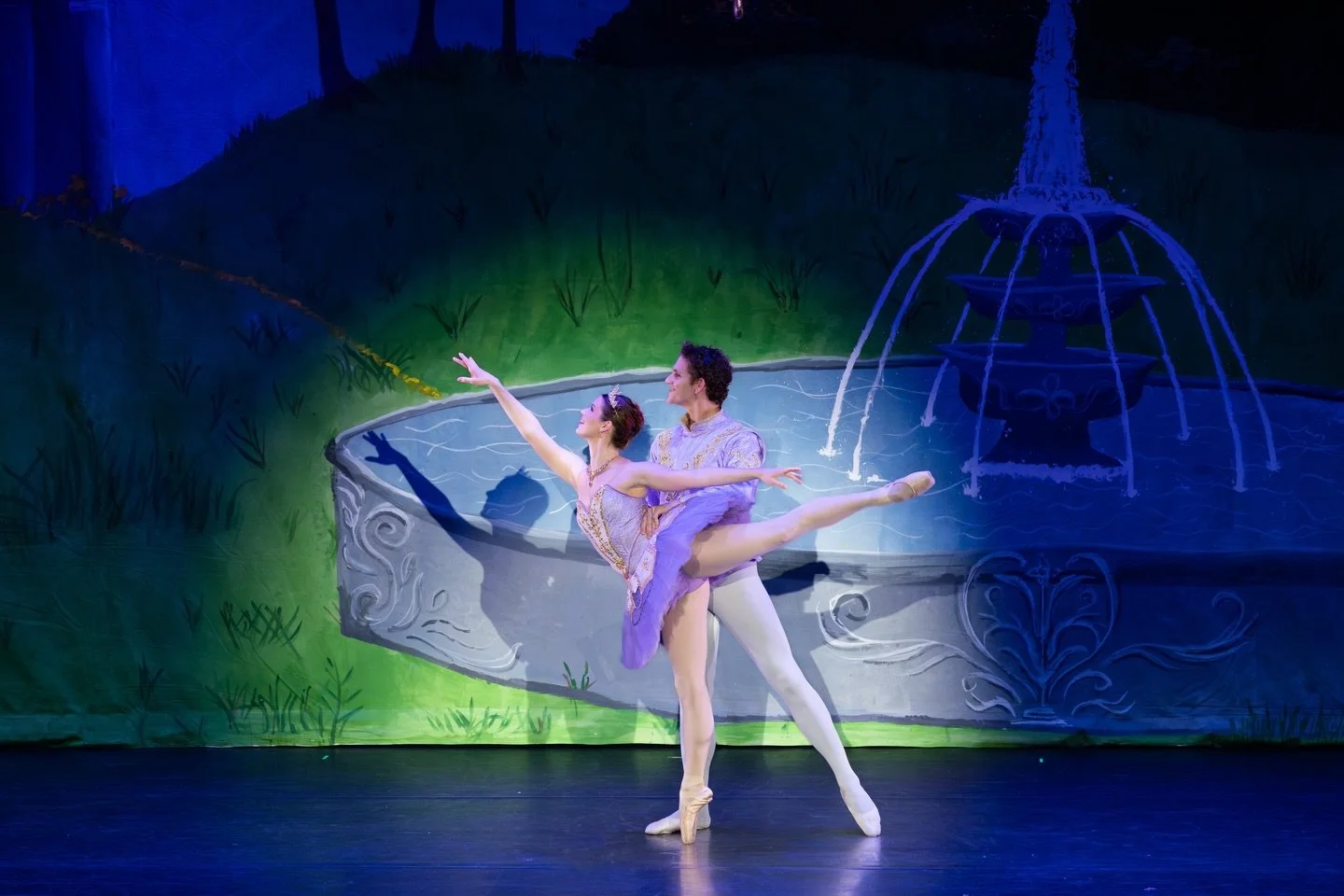
The Sugar Plum variation felt like the crescendo of the performance, danced deftly by Rachel Bodi and Nathan Krueger. The pas de deux and solo variations in the second act, replete with daring lifts, impressive balances, and thrilling leaps and turns, prompted the audience to break out into spontaneous applause more than once.
I would be remiss not to also mention the addition in this version of a particularly delightful group of very young bumblebees (danced by Astrid Dissen, Eleanor Krump, and Ella Perry) and their keeper (Maura Caldwell-Thompson), representing perhaps what we have come to love most about The Nutcracker after all these years and reinterpretations: an unabashed celebration of the joy and wonder of childhood.
"The Nutcracker & The World’s Fair" is accessible and enjoyable for all ages, offering a gentler, less perilous journey than the original while keeping all the fun, exuberance, and nostalgia intact.
Photos by Carly Vanderheyden