
HQ Review: Saint Louis Ballet “Encore”
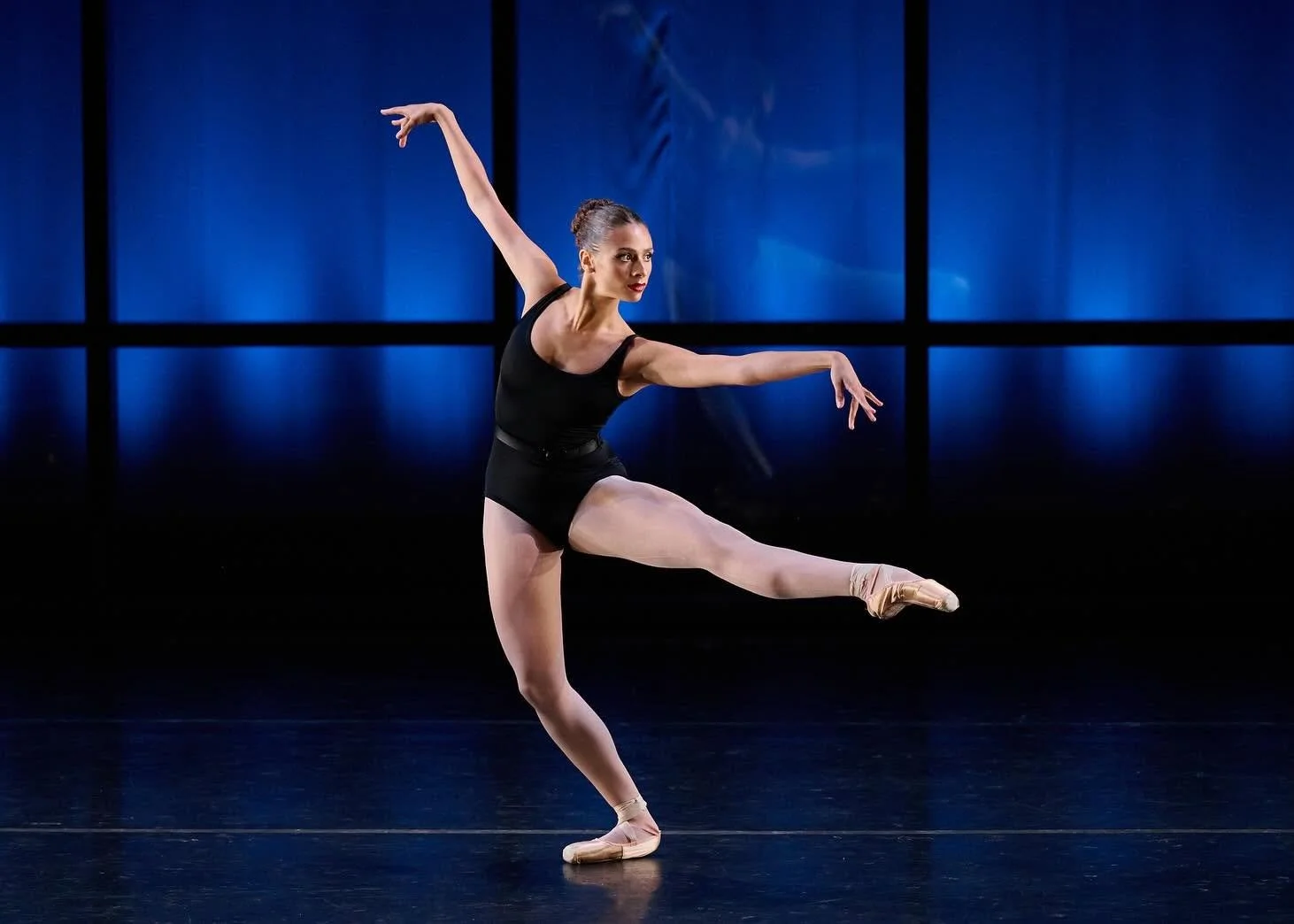
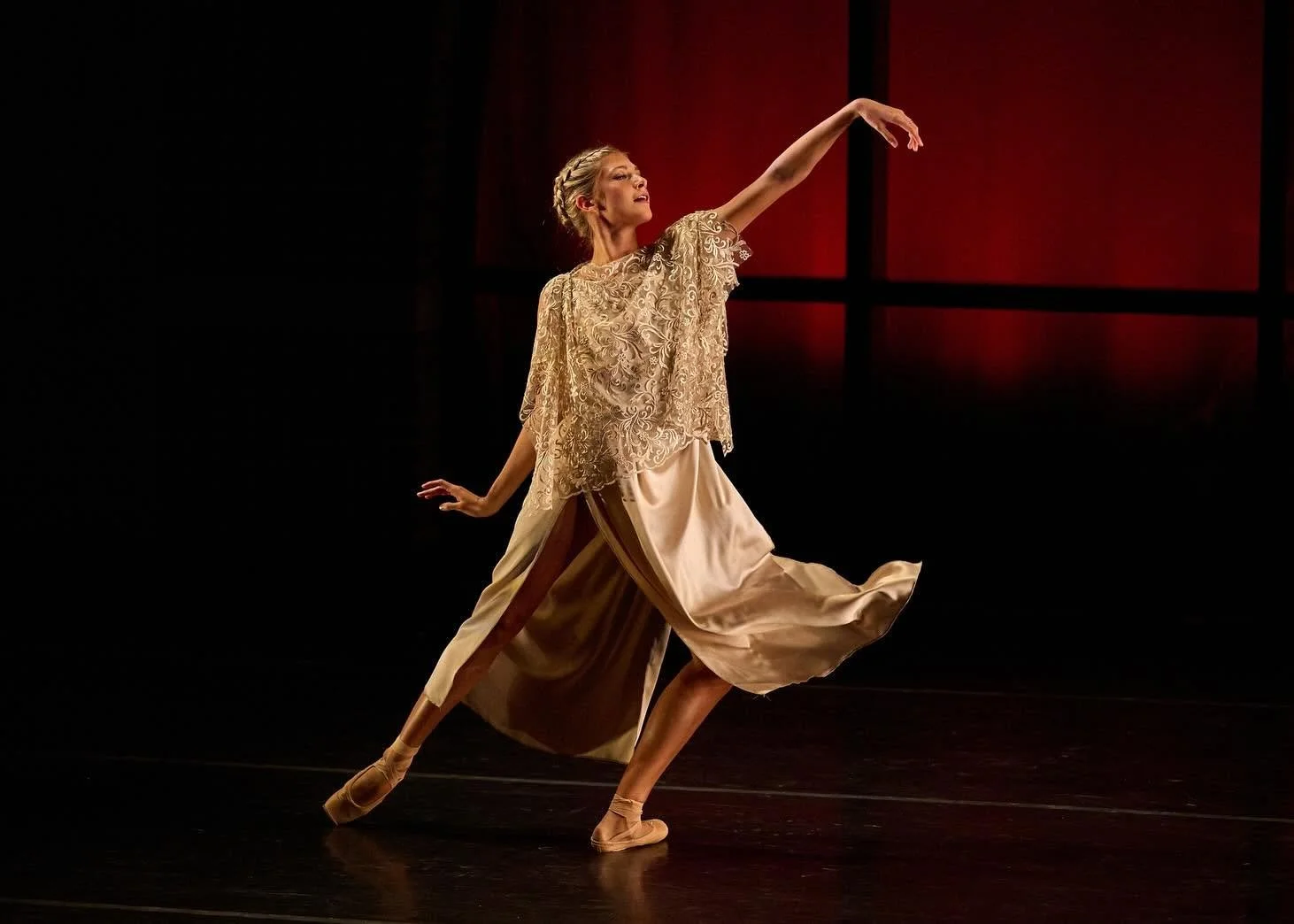
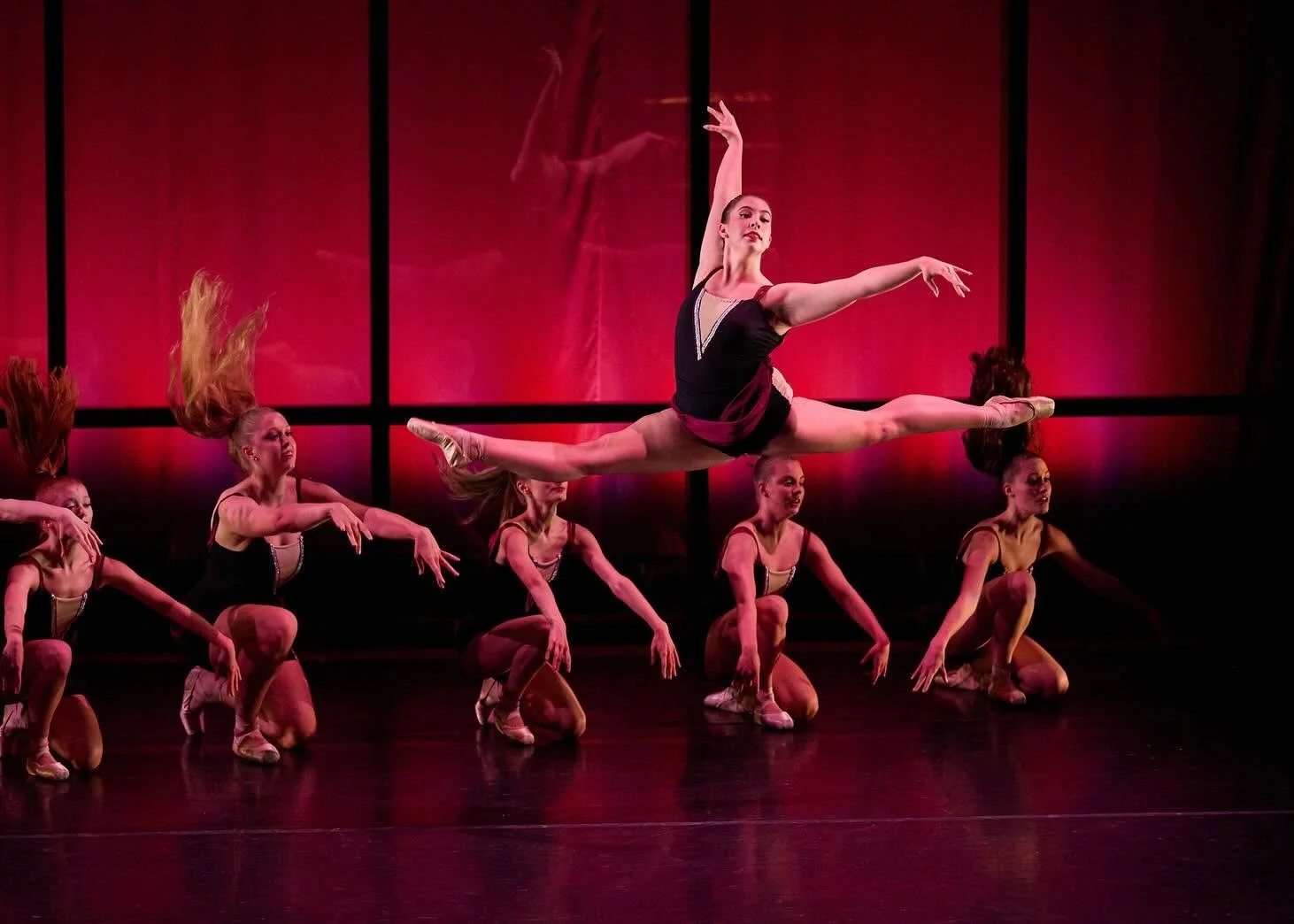
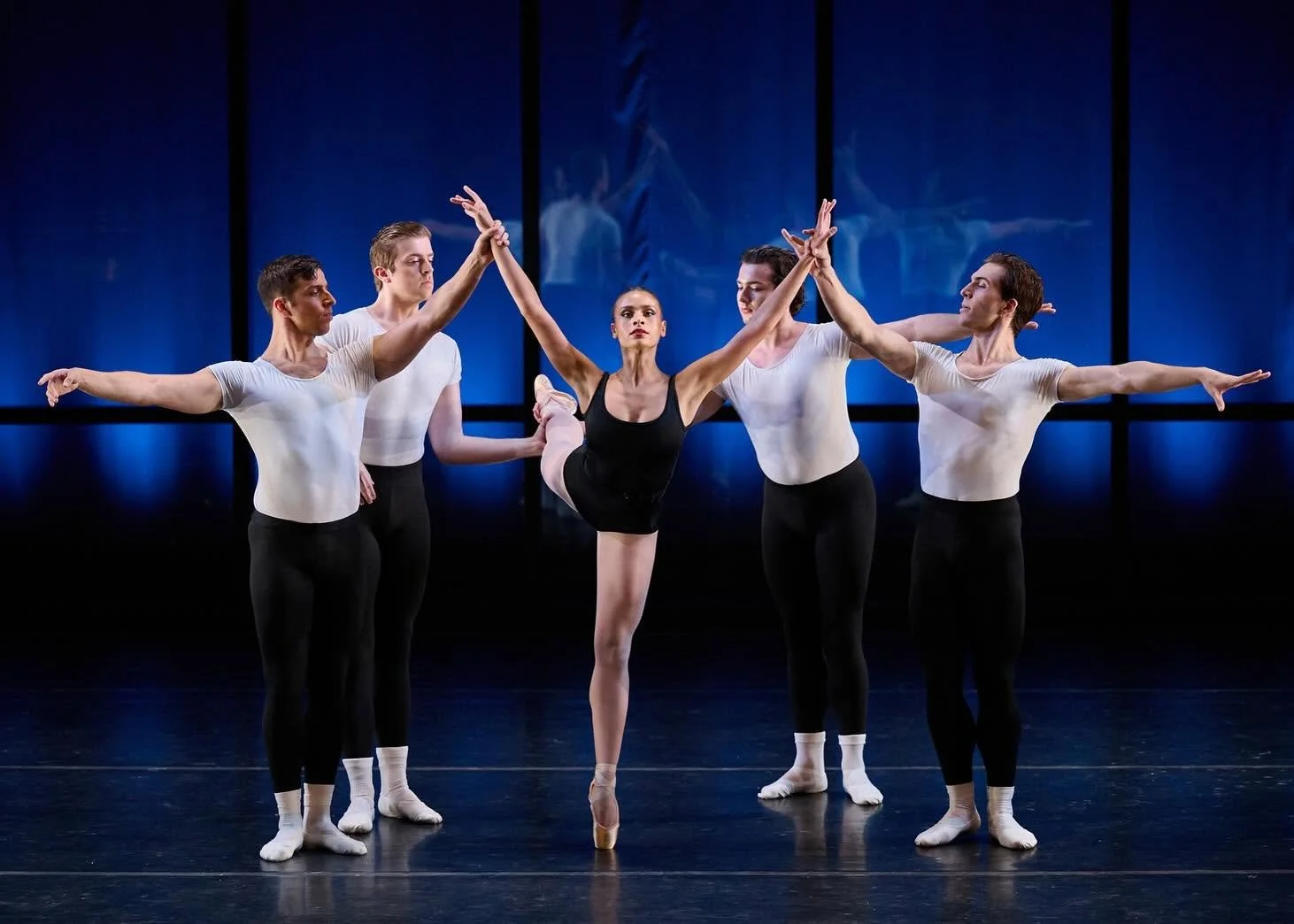
On Saturday, June 13, Saint Louis Ballet closed out it’s 2025-26 season with Encore, a collection of returning audience-favorite works from throughout the season, peppered with two premieres performed by the company’s trainee program. Performed at the intimate Lee Theatre inside the Touhill Performing Arts Center, the evening celebrated the completion of another brilliant season of dance not with grand spectacle but with a thoughtful, stripped-down tribute to the technical excellence of the artists at the center of Saint Louis Ballet’s work.
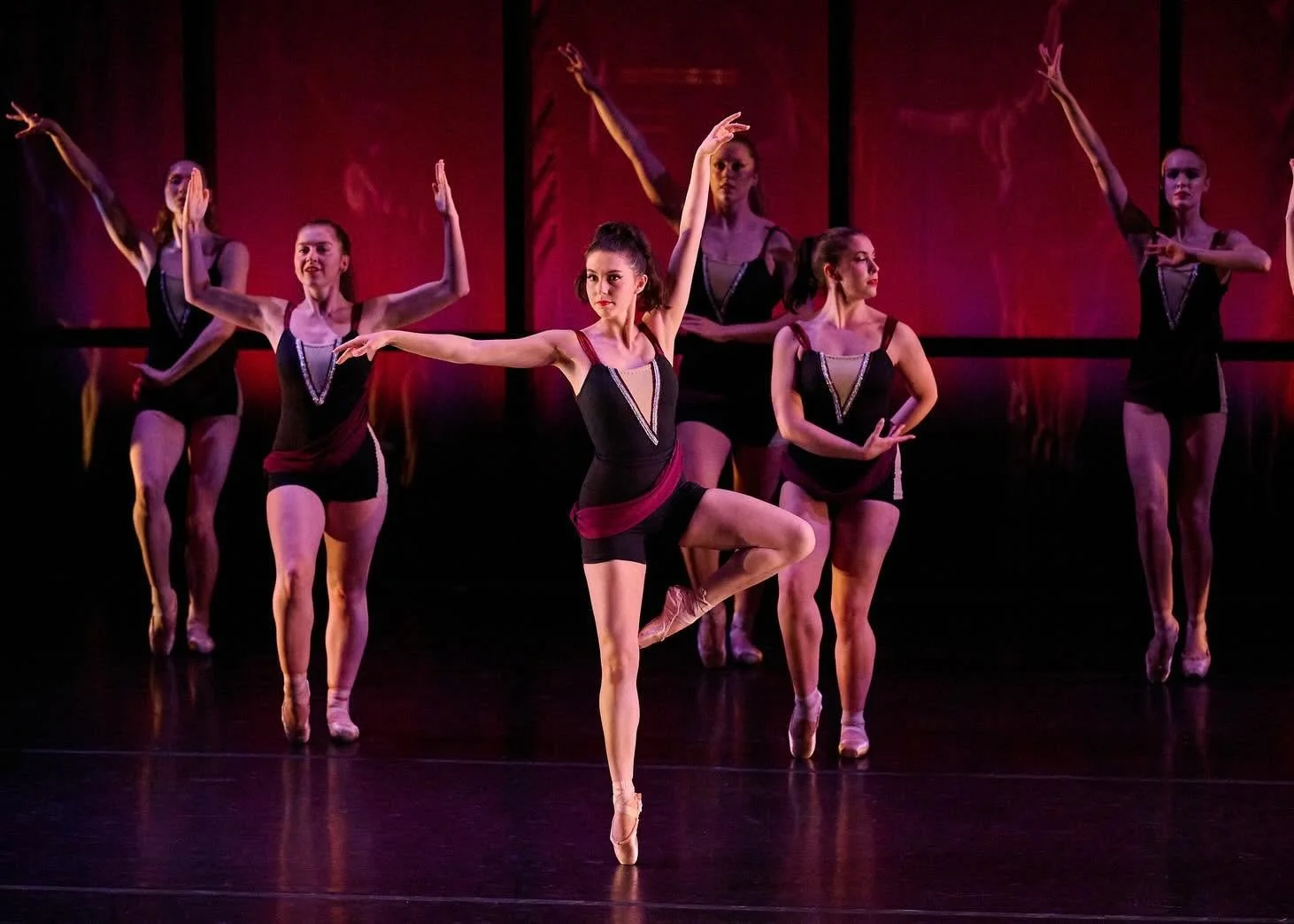
The evening began punctually with the premiere of Cici Houston Sudholt’s Bolero, featuring 15 of the company’s 32 trainee dancers. Set to Maurice Ravel’s iconic, looping score, the piece began in a circle, surrounding Lauren Renner in a memorable solo filled with effortlessly fluid extensions, spacious port de bras, and unmistakable joy. As the work progressed, each dancer took a turn in the spotlight, occupying a world filled with symmetry, moments of whimsy, and a neoclassical vocabulary of flexed heels, high legs, and undulating hips.
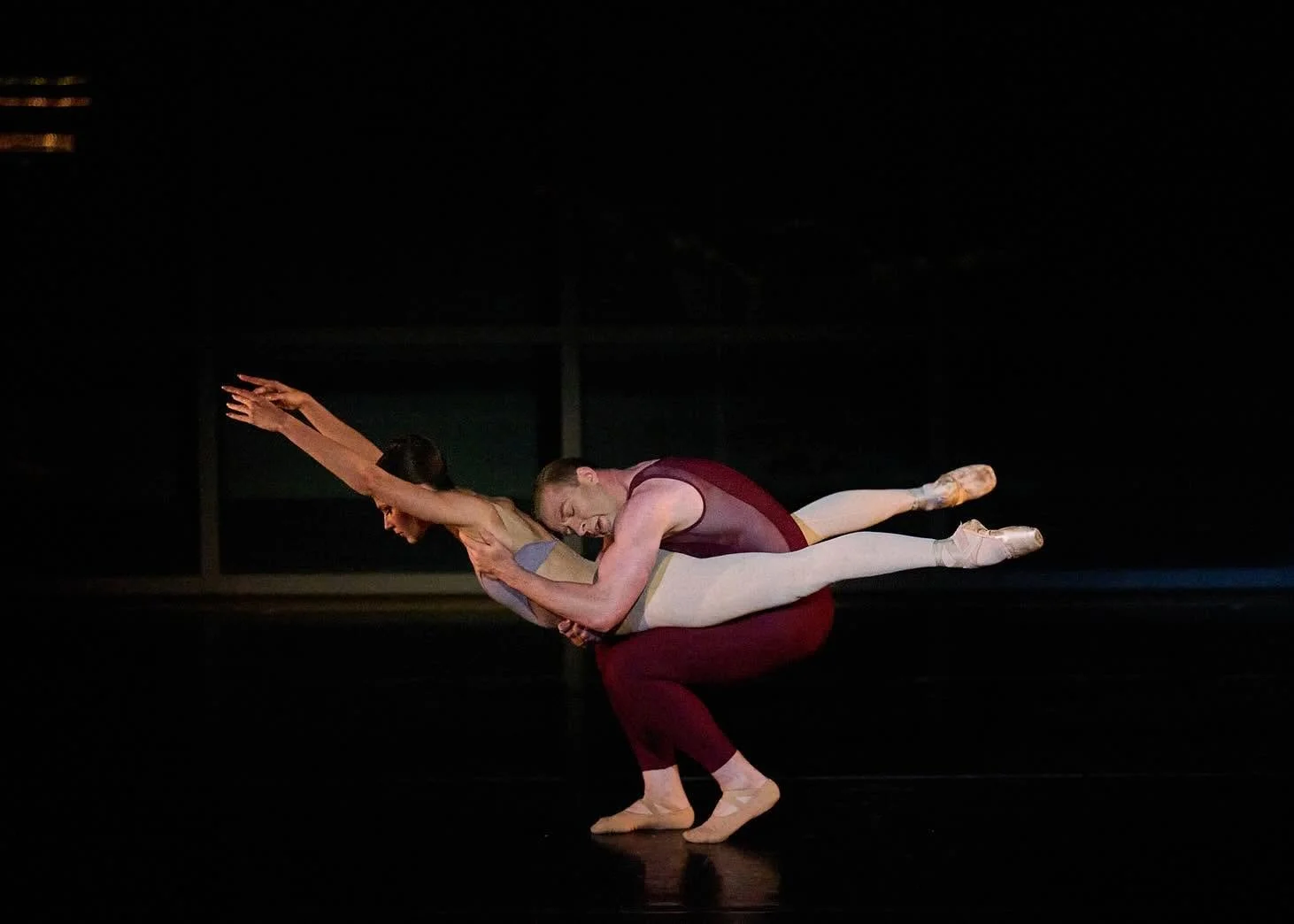
Liturgy, one of two pas de deuxs by Christopher Wheeldon on the program, followed swiftly behind. Dim lighting slowly revealed the sharp forms of Roxy Rudin and Michael Burke stretching their arms through a series of gestures. As the violins of Arvo Part’s “Fratre” reached a climax, the two bodies finally met, launching in and out of inventive, razor-edged partnering. Burke and Rudin delivered a breathtaking masterclass in precision and risk. Hands-free lifts, dives through high extensions redirected into quick and effortless turns, glides across the stage that freeze suddenly in mid-air – every movement delivered with exactness and care.
The Greek Myths by Christine Settembrino featured the remaining trainee dancers, along with a couple select company artists, in a triptych of classic tales – Echo and Narcissus, Arachne and Athena, and Pandora’s Box – connected architecturally by a shared wooden doorframe draped in fabrics. Filled with pantomime and set to neoclassical scores by Alexander Moyzes and Sergei Prokofiev, each tale read as a sketch of its own classical ballet. “Echo and Narcissus” featured beautiful, soaring partnering between company dancer Matthew Rusk and the nymphs comprising the section's corps de ballet. “Arachne and Athena” featured a standout performance by Anna Slade as Arachne, with remarkably buoyant ballon, an exuberant expression of character, and an attention to detail woven into every transition. “Pandora’s Box” closed out the work with a neo-classical edge, with an ensemble of evil led by the commanding Ella Martin marching through a series of fascinating canons and powerful poses.
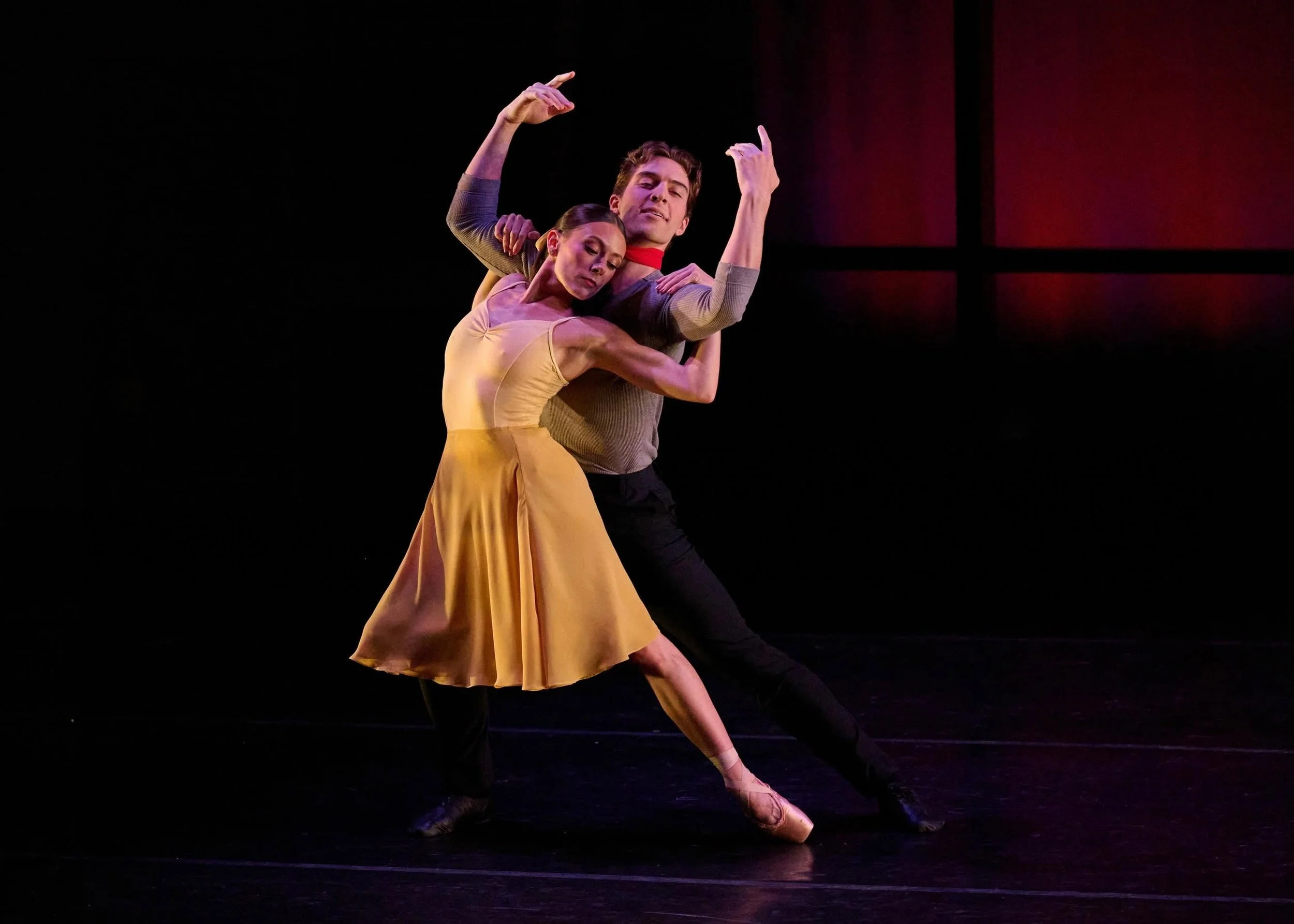
The pas de deux from Christopher Wheeldon’s Carousel (A Dance) closed out the first act with a reminder of how wonderfully ballet can create the feelings we otherwise can’t put into words. Olivia Cornelius and Ethan Maszer moved well beyond the steps (as astounding and effortless as they were) into an enveloping sense of character. The constant whirl of desire, hesitancy, youthful abandon, and naivety spun through every glance and soft shift of weight. Cornelius and Maszer moved swiftly in and out of gliding waltzes and soaring lifts with conversational ease, never abandoning the depth and color of the world they painted in real time.
In keeping with the evening's stripped-down atmosphere, the boundary between performance and process briefly dissolved at intermission. Clad in their warmups, the dancers took the curtainless stage to prepare for the final work of the night. Rehearsing passes of jumps to be seen later in the work, waving to family and friends in the audience, chatting amongst each other, and stretching out their limbs, the relaxed atmosphere was a welcome diversion from the norms of ballet, offering an invitation into the humanity of the artists and the work being celebrated that night.
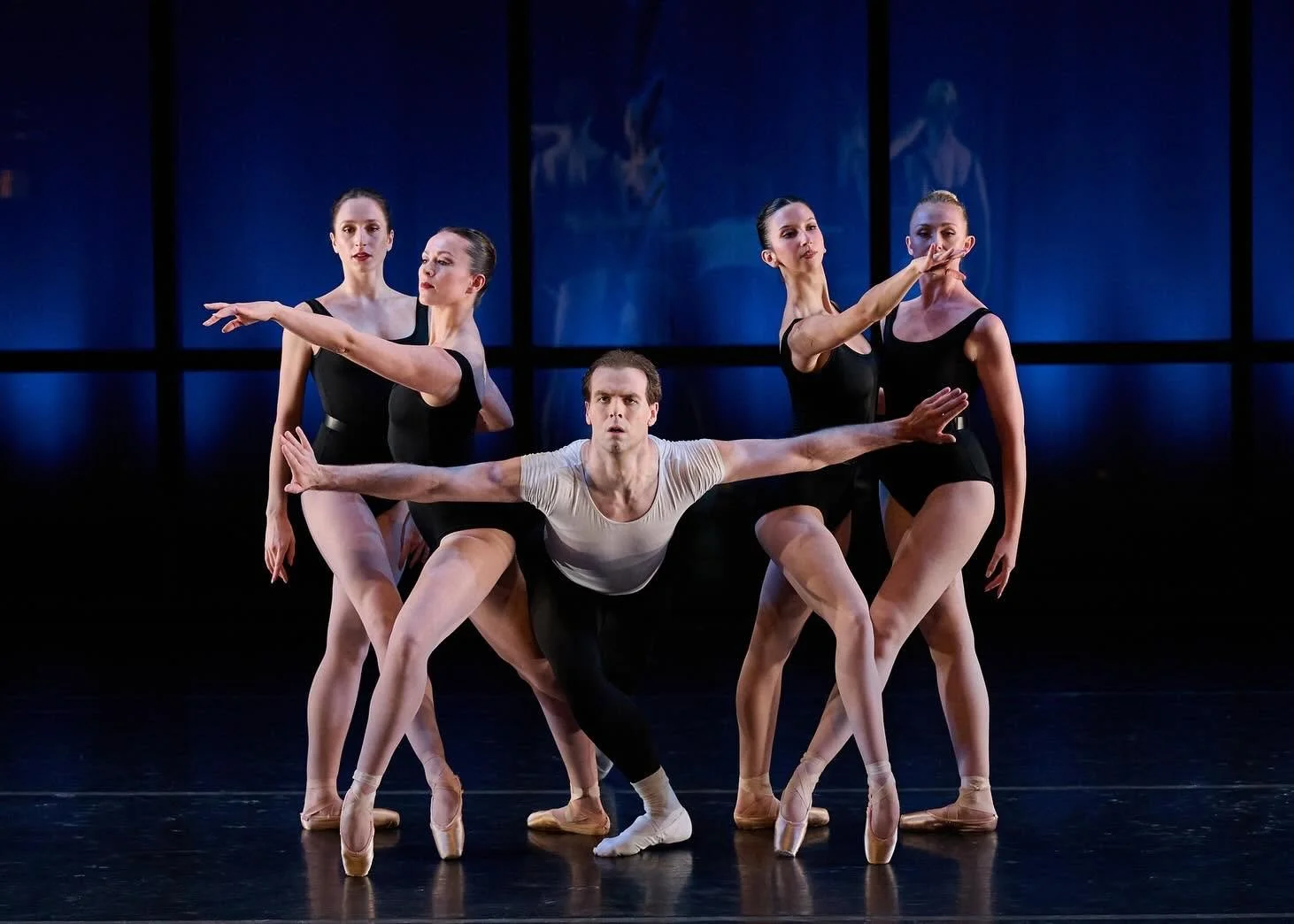
The evening concluded with the reprisal of George Balanchine’s The Four Temperaments. Originally premiered by New York City Ballet in 1946, The Four Temperaments is often regarded as one of the greatest masterpieces of neoclassicism. The Lee Theatre feels apt for a work so incredibly stripped down and bare-bones in structure. Dancers are clad in black and white tights and leotards reminiscent of ballet class attire, with little room for spectacle. The proximity allows the audience to become wrapped tightly in the intricate layering of subtle motifs and playful alterations of classical form. Three short pas de deuxs open the work, establishing musical themes and recurring images that become warped, resized, and re-engineered through the four sections that follow, representing melancholic, sanguinic, phlegmatic, and choleric, the four temperaments of medieval medical theory. It was in that final section, choleric, led by the brilliant and ferocious talent of Zoe Middleton, that the work felt its most triumphant. Middleton filled every corner of the stage with remarkable power and explosivity, taking command even as the full ensemble of 25 dancers poured into the space in the final moments of the work.
Overall, Encore succeeded beautifully as both a showcase of Saint Louis Ballet's remarkable technical strength and a rare opportunity to celebrate the artists at the heart of the company's work.
Photos by Kelly Pratt