
HQ Review: MADCO’s Dare to Dance - Friday
The 2026 iteration of MADCO’s Dare to Dance Festival took place over two evenings, hosted at the Center of Creative Arts. Friday evening’s show featured nineteen different works from a variety of St. Louis based and out-of-state artists and was a marathon of dance viewing, running at just under three hours.
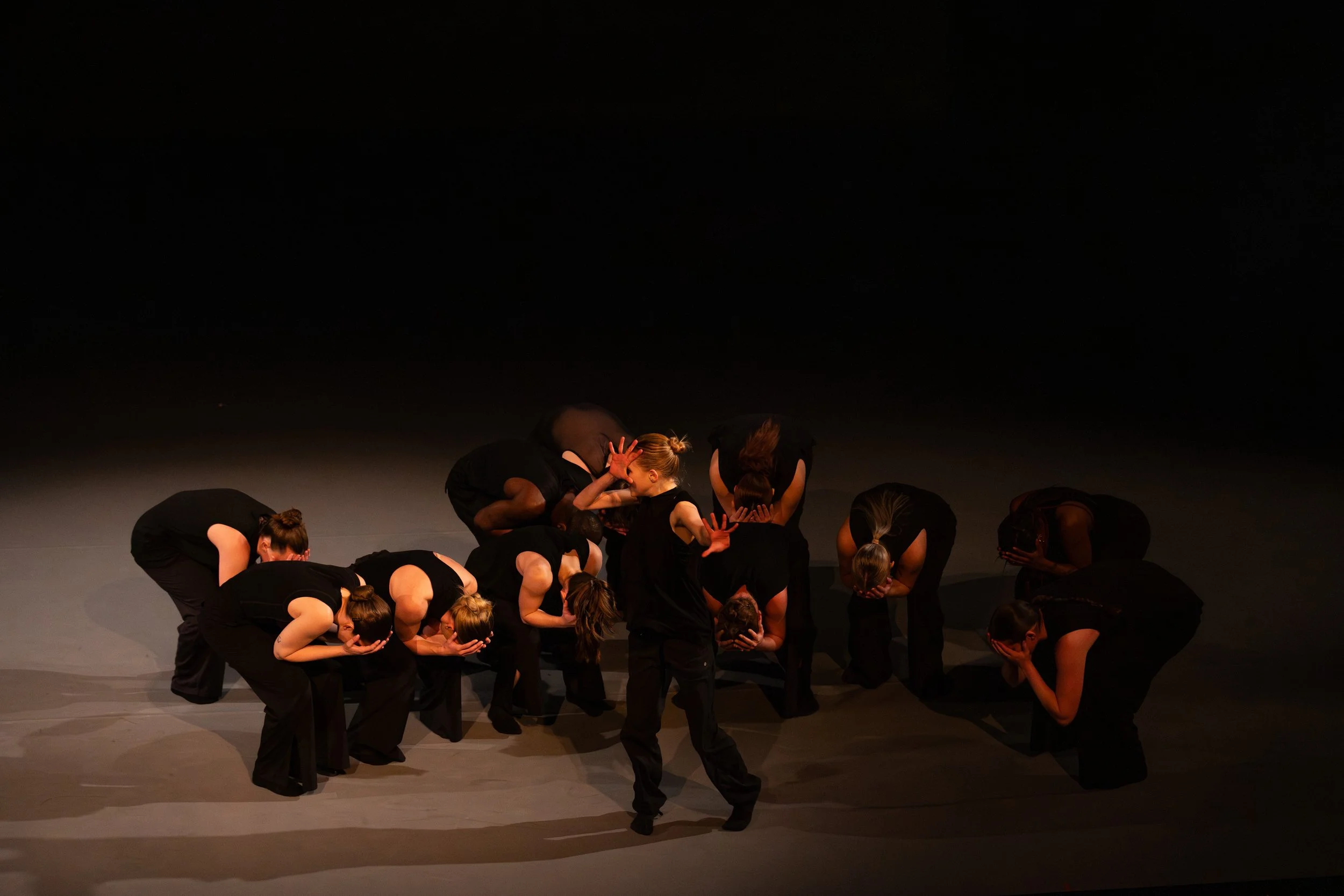
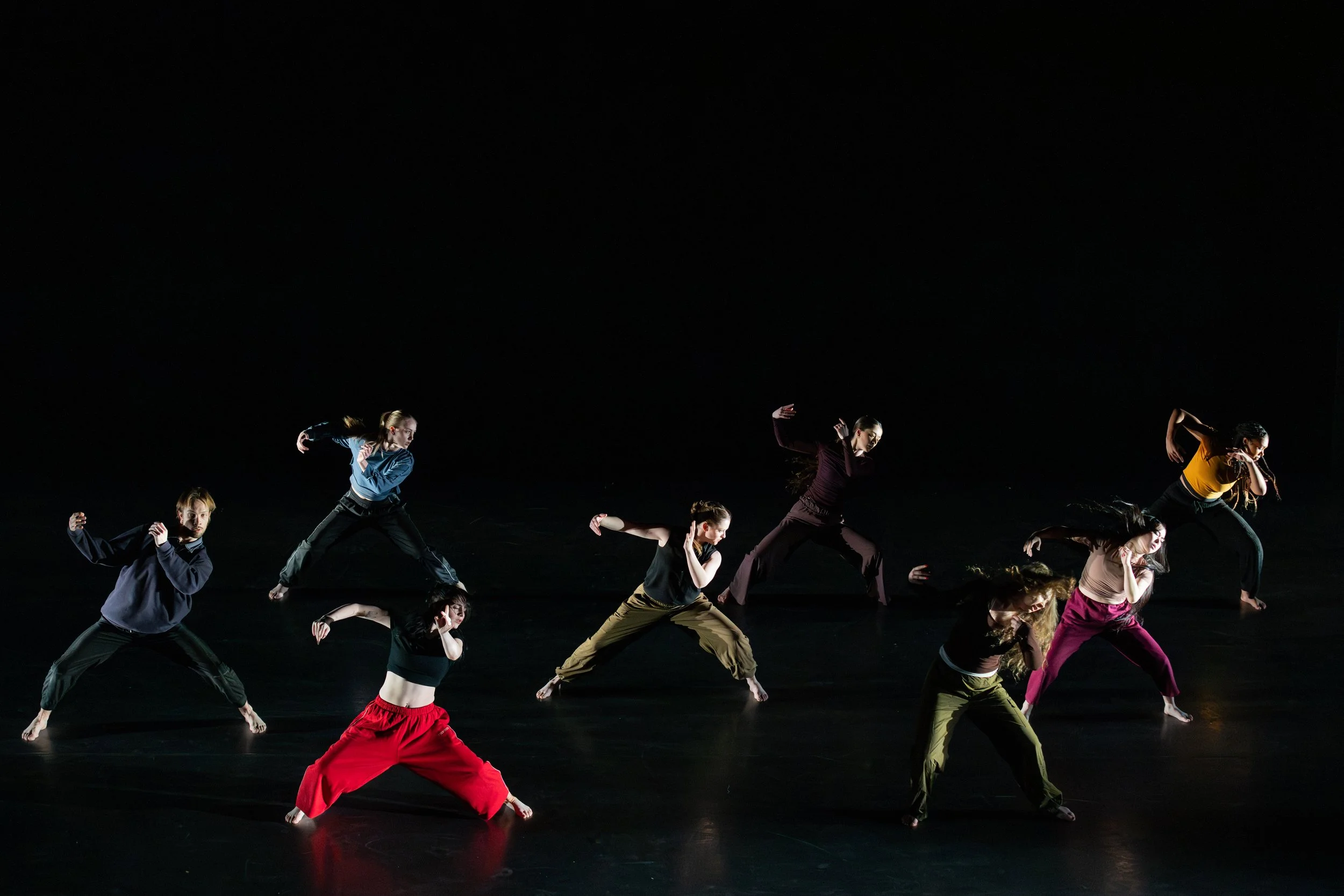
Act I opened with bodytalk, a large-group work choreographed by Chloe Ryherd. Dressed in black, twelve dancers began with hands covering their faces, shoulders pulsing as the lights rose. Movement traveled through the group in snake-like spinal ripples and sharp, successive phrases. The use of space—and the density of bodies onstage—felt layered and compelling. Motifs were clear and purposeful, returning with precision. There were no frills here, just strong dancing in service of a focused idea.
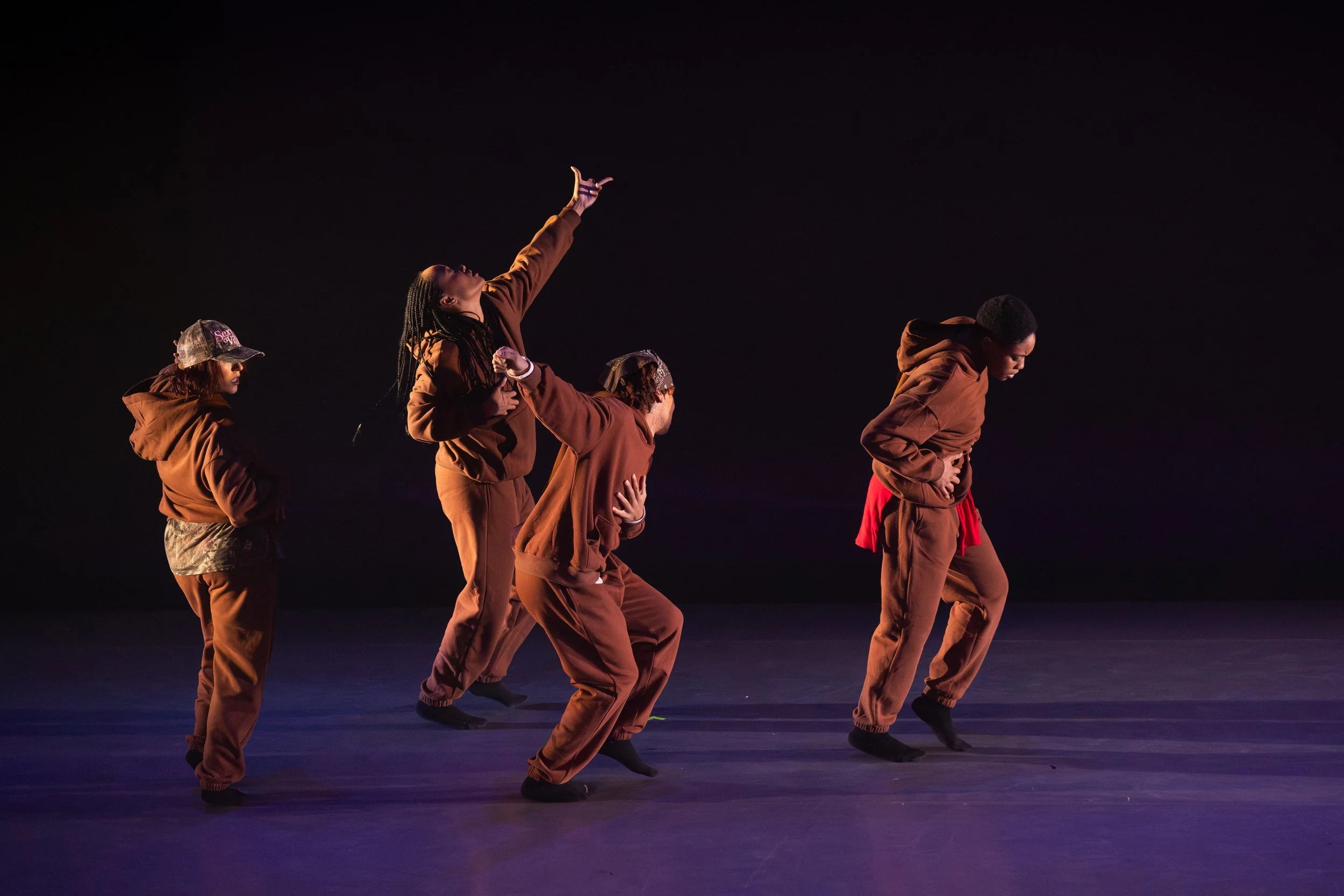
Kaleigh Dent of Rivet Dance Company (Chicago) presented BOUNCE (pt. 2), a refreshing shift from the otherwise strictly contemporary works that dominated the evening. The piece opened with four dancers who immediately established a dynamic, high-energy, and deeply musical tone. Moving in and out of unison, the dancers formed loose configurations that highlighted somatic flow alongside distinct individual style. Throughout the performance, the dancers related to one another in ways that felt natural and compelling—often circling inward, facing each other with their backs to the audience. Rather than creating distance, this choice emphasized their mutual connection, subtly de-prioritizing the audience in a way that invited us to lean in rather than feel excluded.
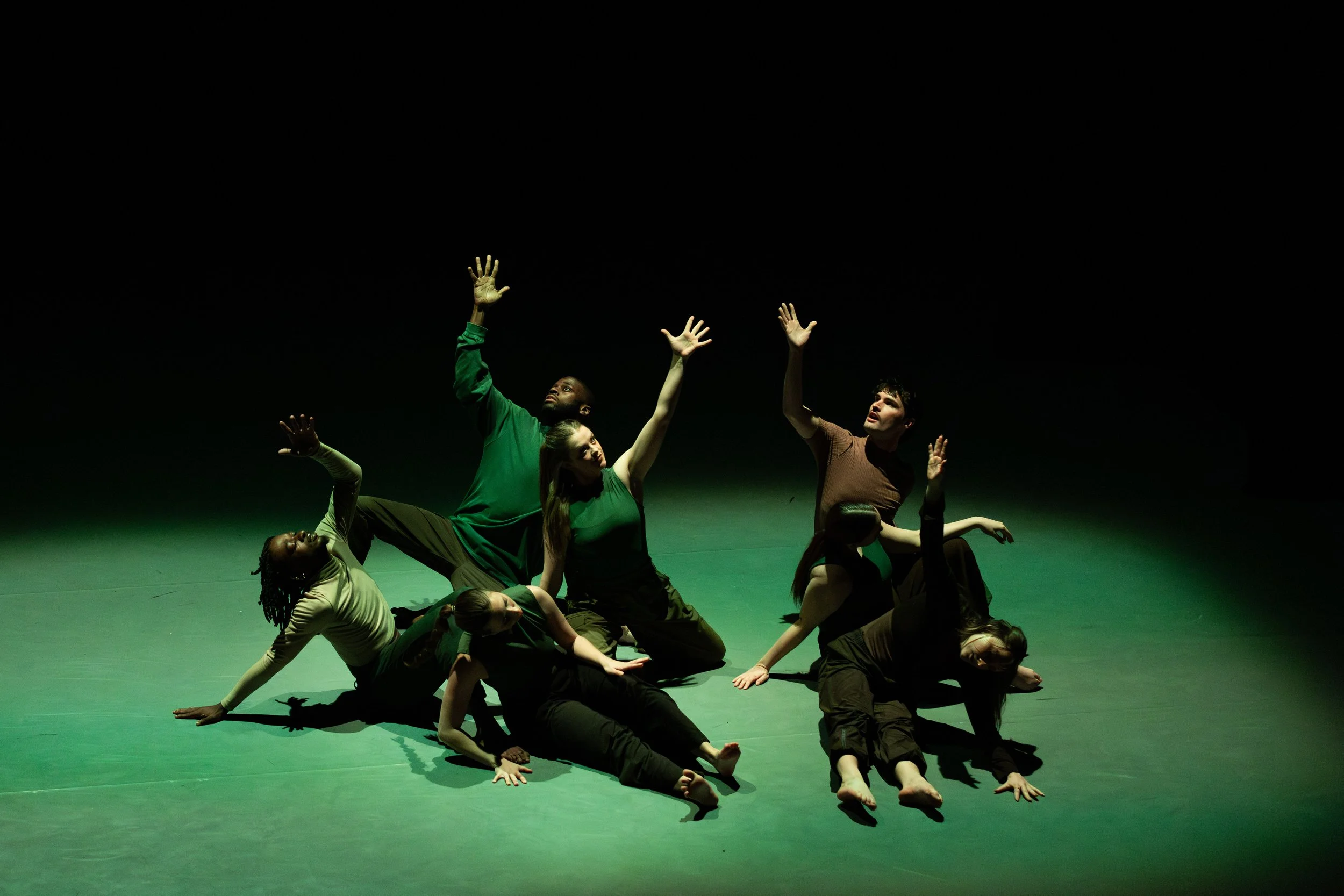
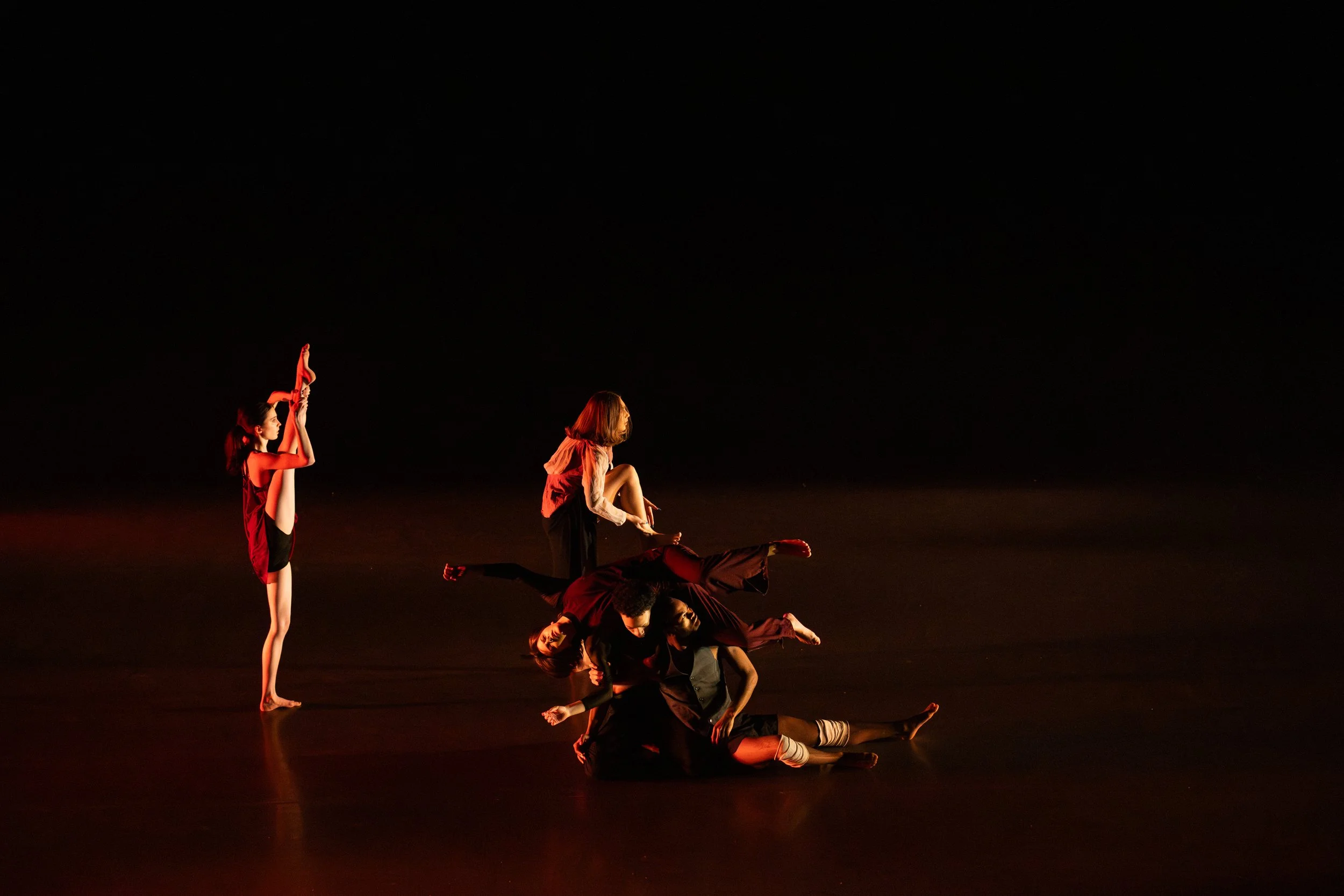
In Lexie Hoehn’s An Unbecoming, lights rose on three dancers already in motion, one perched atop another’s shoulders. Five performers would eventually make their way to the stage. The dancers emitted audible gasps in strange, arrhythmic patterns as they meandered, tumbling over each other as the music vibrated into being. The scene felt benign, sometimes playful, but was threaded through with tension and strangeness. The mood shifted abruptly more than once: dancers grew loud, slapping limbs against the floor when, suddenly, bright white lights flooded the stage and the music dropped away. The performers stared out at the audience with open curiosity before eventually gathering center stage, piling atop one another and contorting their faces into grotesque expressions. Singular, entertaining, and distinctive, watching An Unbecoming felt like entering a winding maze of imagery and affect, inviting disorientation and moments of off-kilter surprise.
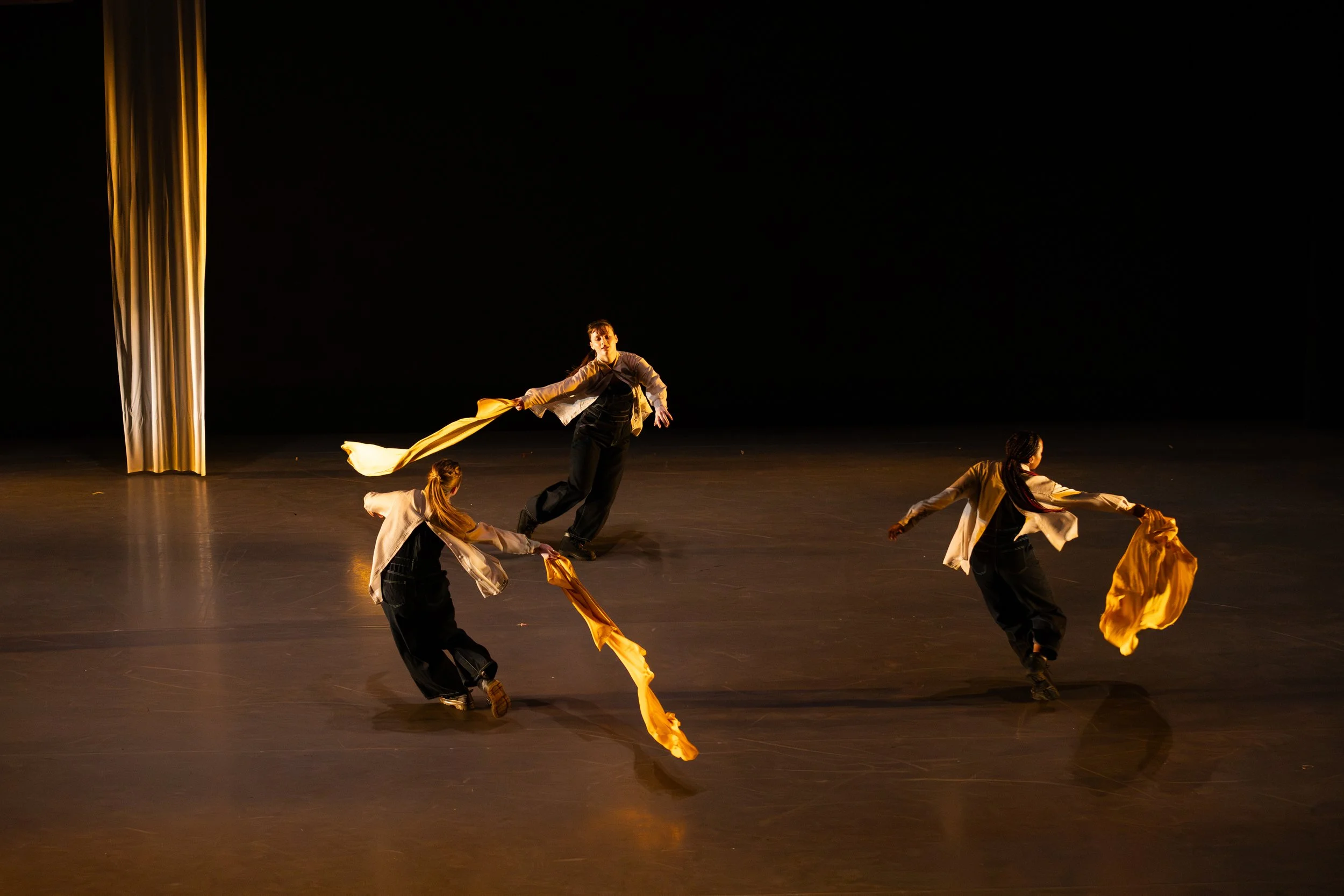
The curtain opened on Hayley Barker’s now i can go looking for them, to large swaths of fabric suspended from the ceiling. Three dancers carved wide arcs across the stage, their prowling steps expansive and deliberate. The movement was full and formal, and the composition unfolded with a measured, almost ritual restraint. Gestures were open and rounded—generous and calm. The cascading fabric stretched the sense of space, amplifying both the scale of the stage and the dancers’ presence within it. The room seemed to dilate around them, lending the work a ceremonial gravity. As golden scarves appeared in the dancers’ hands, the tone shifted toward something lighter—more playful and celebratory. The dancers moved into unison, bouncing side to side, swinging and scooping with an instinct-driven momentum.
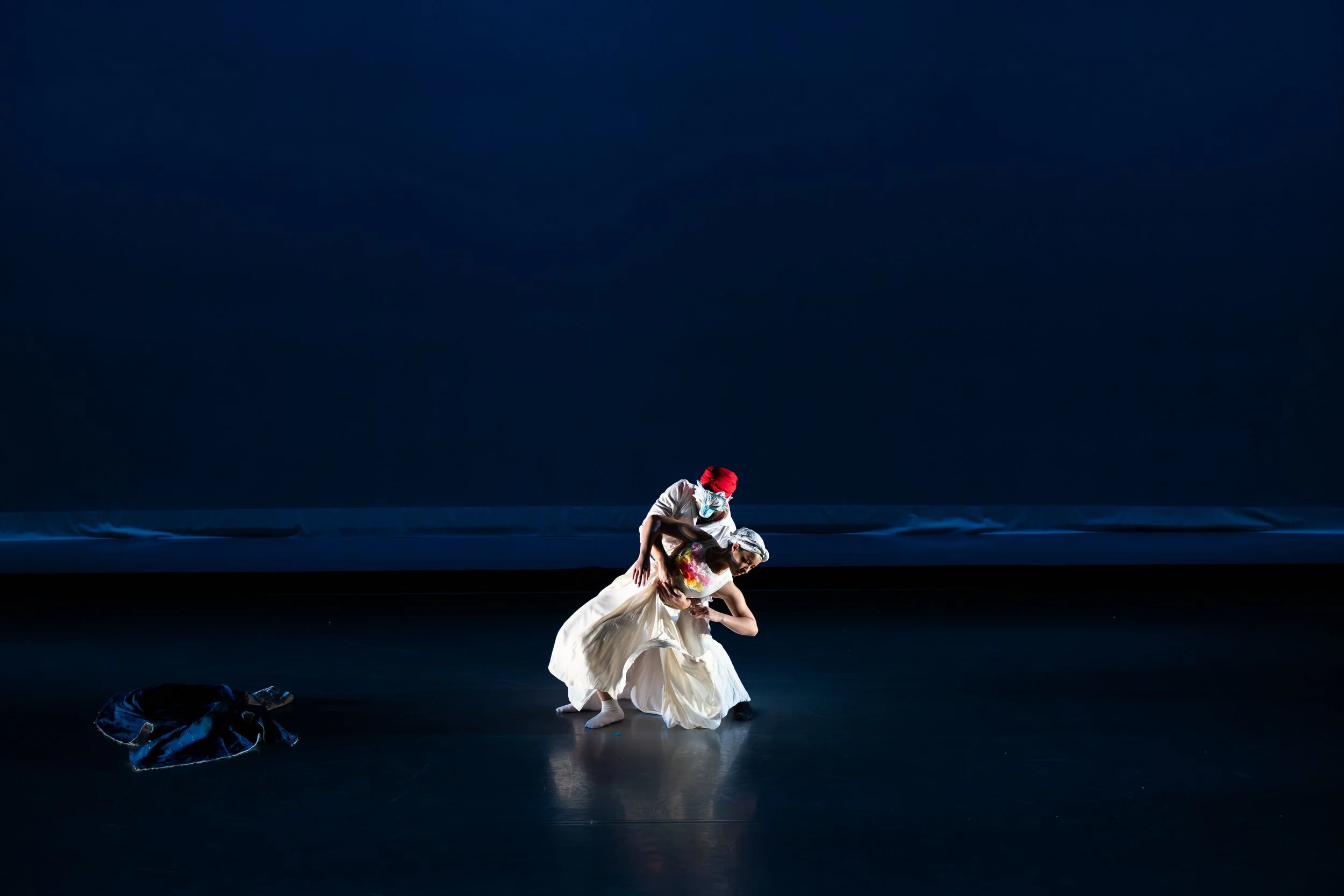
The sense of ritual continued into the second act, with Mikey Rioux’s Liberation Suite. In this singular piece of performance, Rioux was accompanied by Tori Lefler. Rioux stood on a blanket wearing an animal mask and a long tunic, while Lefler, in a long flowing dress, moved effortlessly in sweeping movements, reaching limbs long before collapsing into the floor and propelling up to her feet again in a spiraling ascent. The two moved through a story which felt like a piece of mythology. Alive and enthralling, the movement and cadence of this piece were dynamic and surprising. The masked character at times seemed to be guiding Lefler, and at others pursuing or stalking her through the space. The piece felt less like sequential narrative than invocation, evoking the atmosphere of some forgotten folklore—ancient, unsettling, and charged.
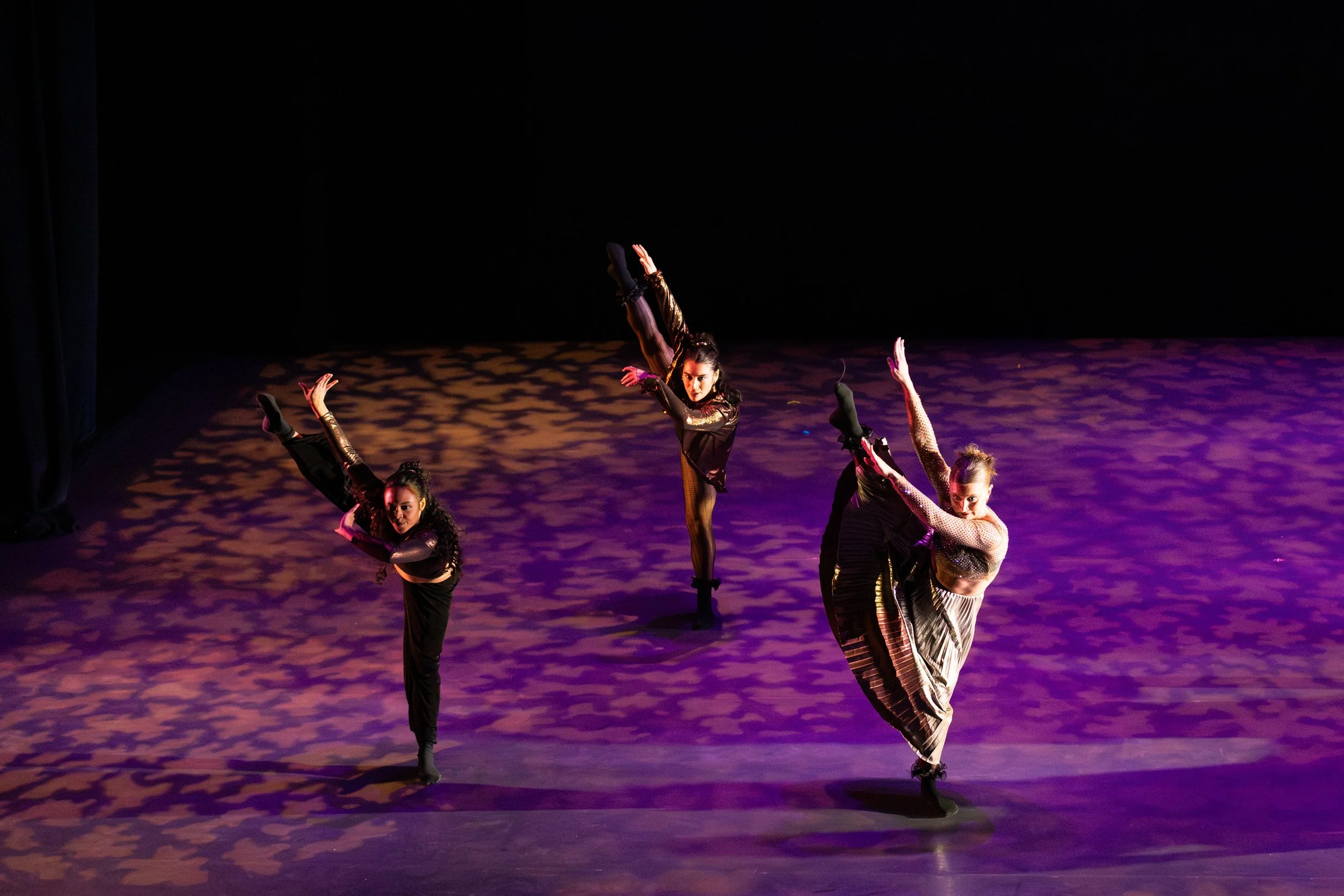
Carly Vanderheyden’s Distorted Glimmers established a whimsical, off-beat tone from the outset. Small bubbles drifted out of the dark and into the widening beams of light, revealing a group of dancers clustered tightly together. Mesmerized, the performers reached out for the vanishing bubbles. Dressed in black, metallics, fishnet, and glitter, the eleven dancers moved in and out of rambunctious unison. The dancers felt flamboyant and mischievous, embracing a brash silliness that bordered on absurd. The world built in this piece felt circus-like and slightly gritty, magical but unprecious, evoking a tented sideshow or a vaudevillian stage. Distinct characters emerged, sometimes interacting with detachment, and at others with easy amicability. The piece closed where it began, with the dancers gathered together again, reaching toward the effervescent, escaping bubbles.
Photos by Carly Vanderheyden