
HQ Review: “Music in Motion” presented by Saint Louis Dance Theatre with the Saint Louis Symphony Orchestra

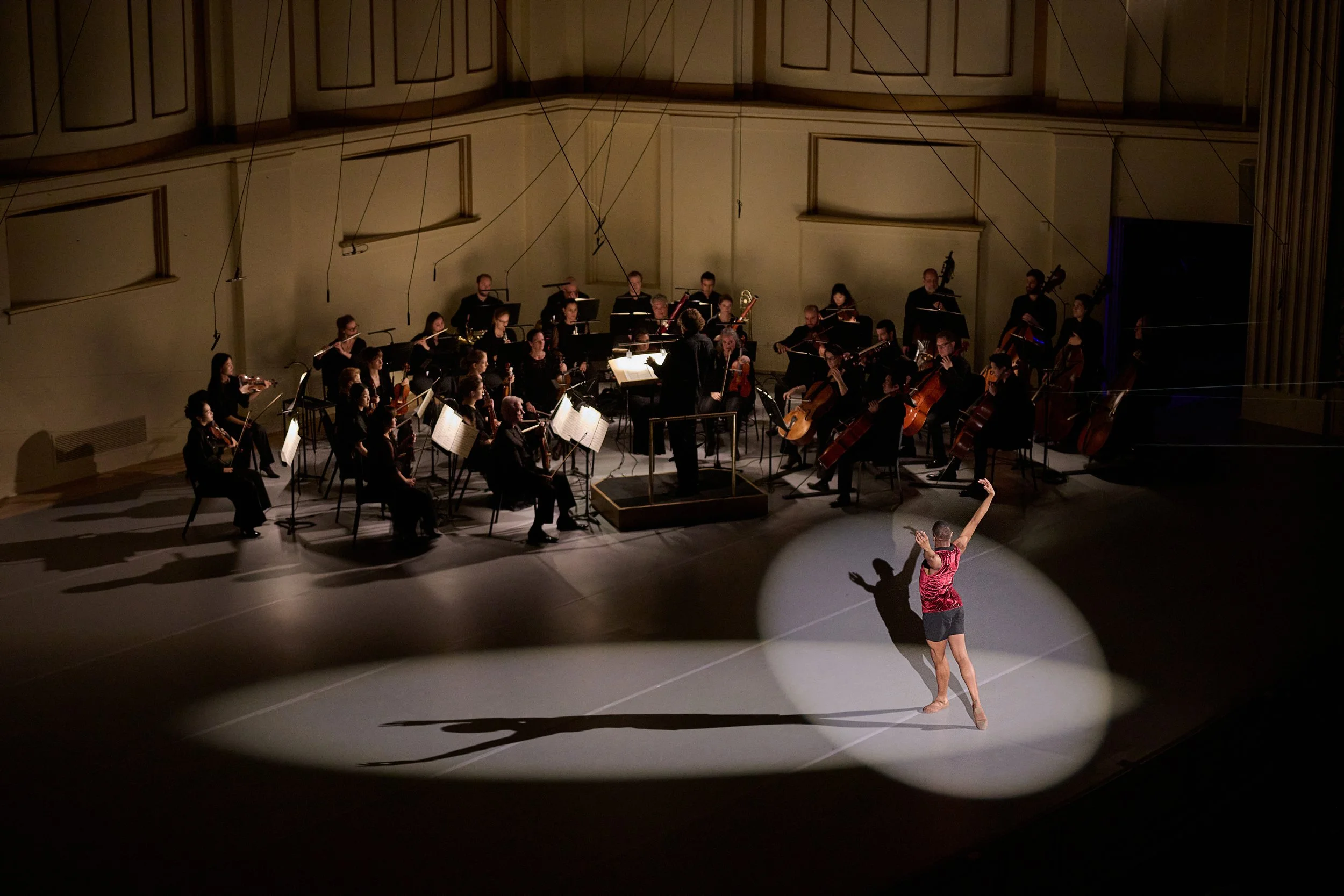

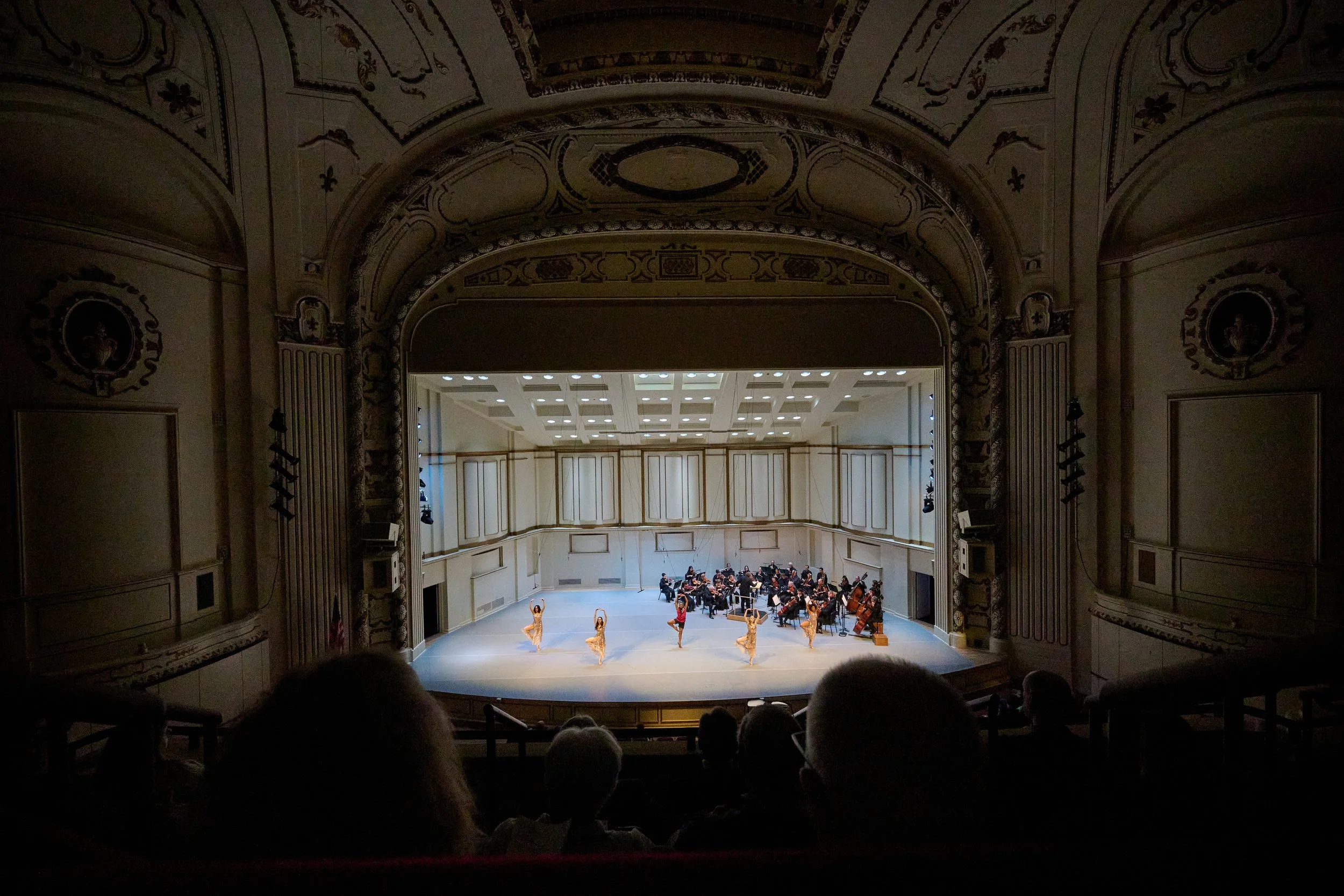
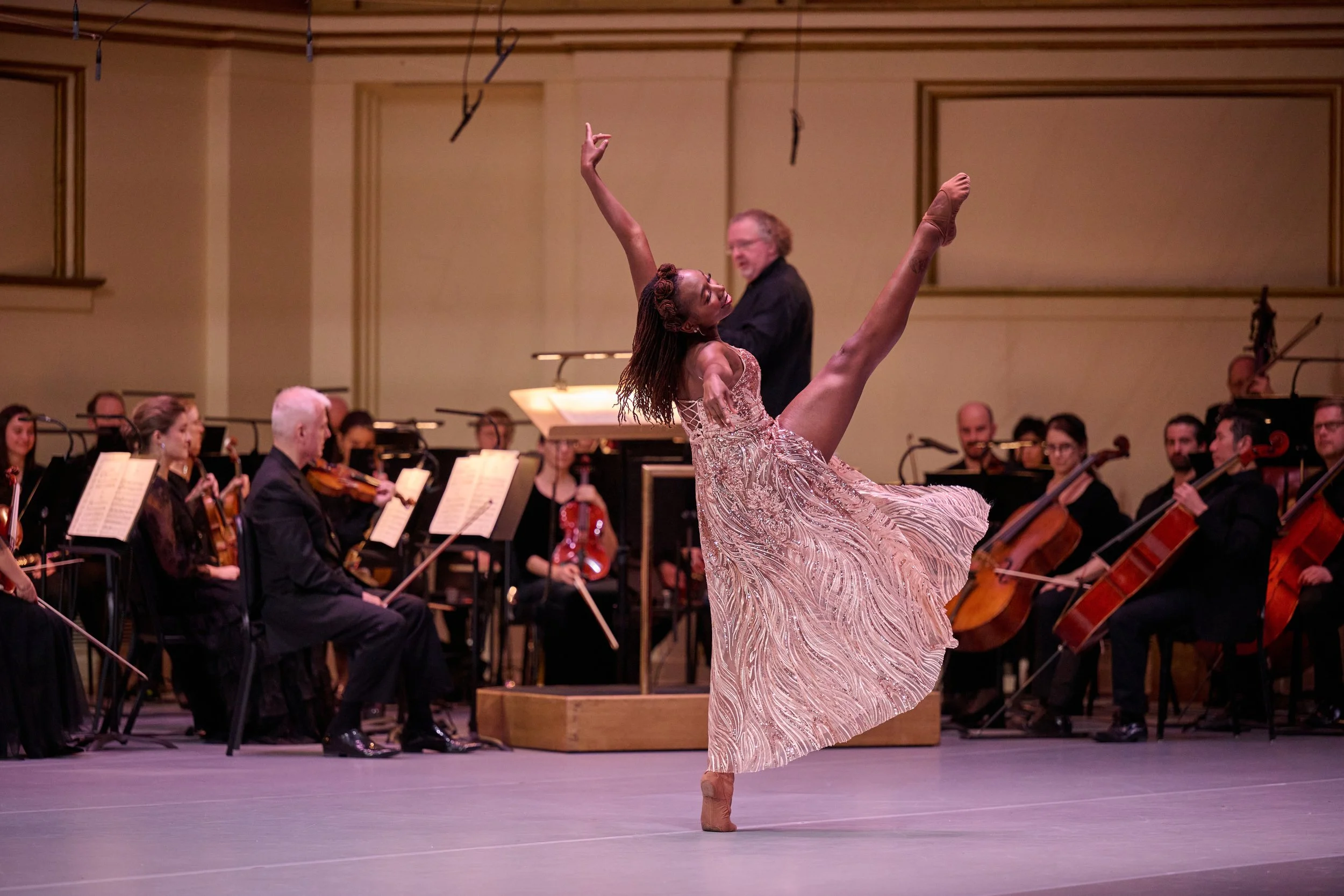
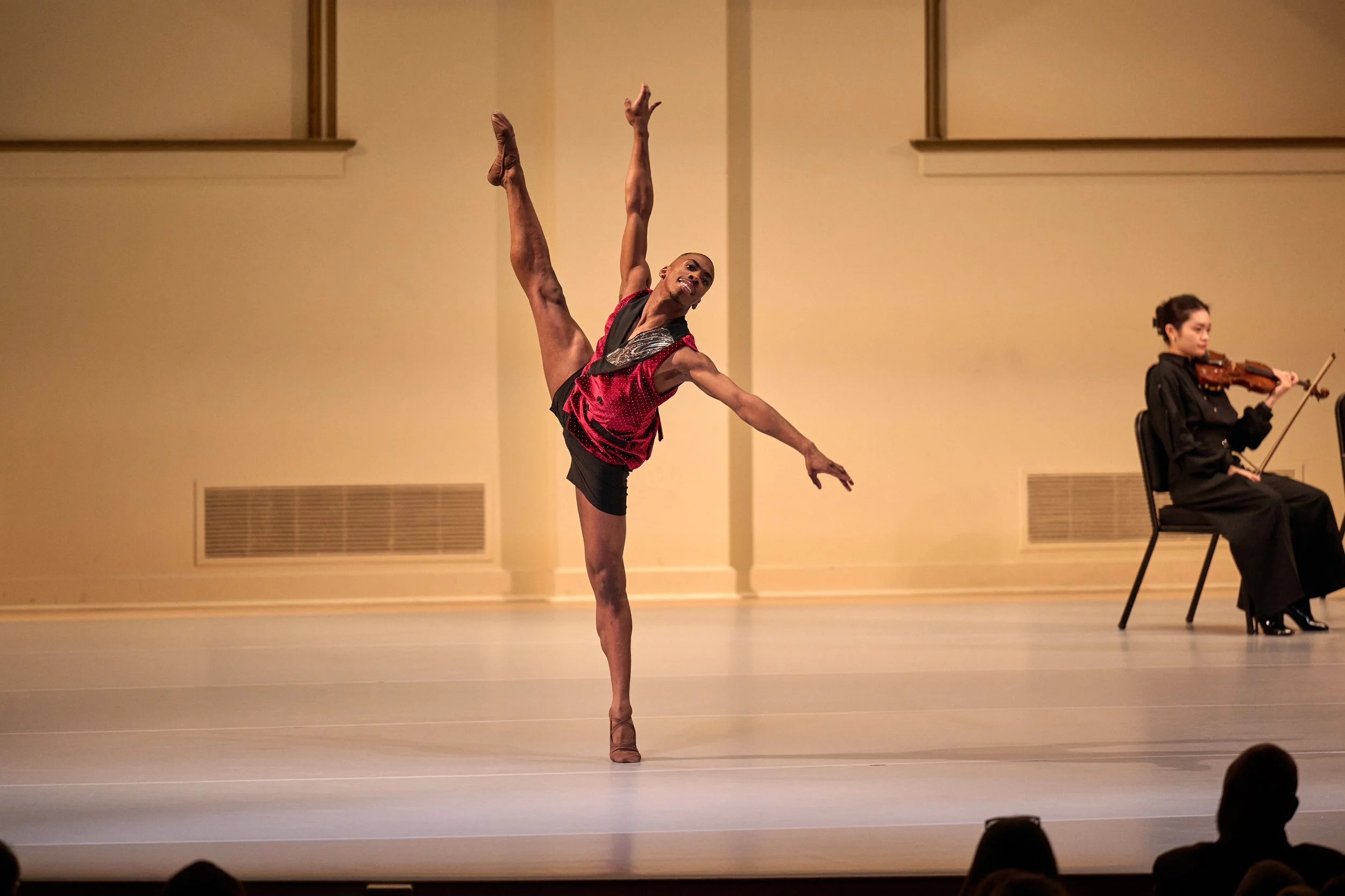
The Inspiration for the Saint Louis Symphony’s (SLSO) program titled “Music in Motion” was a quote by the late choreographer, George Balanchine, “Dancing is music made visible.” Conductor of SLSO, Stéphane Denève, wanted his audience to not only hear the wonderful ballet scores of the night but to experience them visually as well. The result: a collaboration with the Saint Louis Dance Theatre (STLDT) to perform one of the four pieces conducted during the program, Stravinsky’s Pulcinella Suite.
The creation of the score is thanks to the renowned Russian impresario and founder of the Ballets Russes, Sergei Diaghilev, who commissioned composer Igor Stravinsky to write a score based on the 18th-century commedia dell’arte, Four Similar Pulcinellas. With its initial premiere in Paris in 1920 with choreography by Leonide Massine, sets and costumes by Pablo Picasso, and music conducted by Ernest Ansermet, Pulcinella was a huge success with its turn-of-the-century Parisian audiences. And thanks to this success, Stravinsky would begin his “neo-classical phase” and later revisit the piece that started it all, shaving the 40-minute length down to 24 and stripping the vocalists, resulting in the Pulcinella Suite in 1965, the version we usually see performed today.
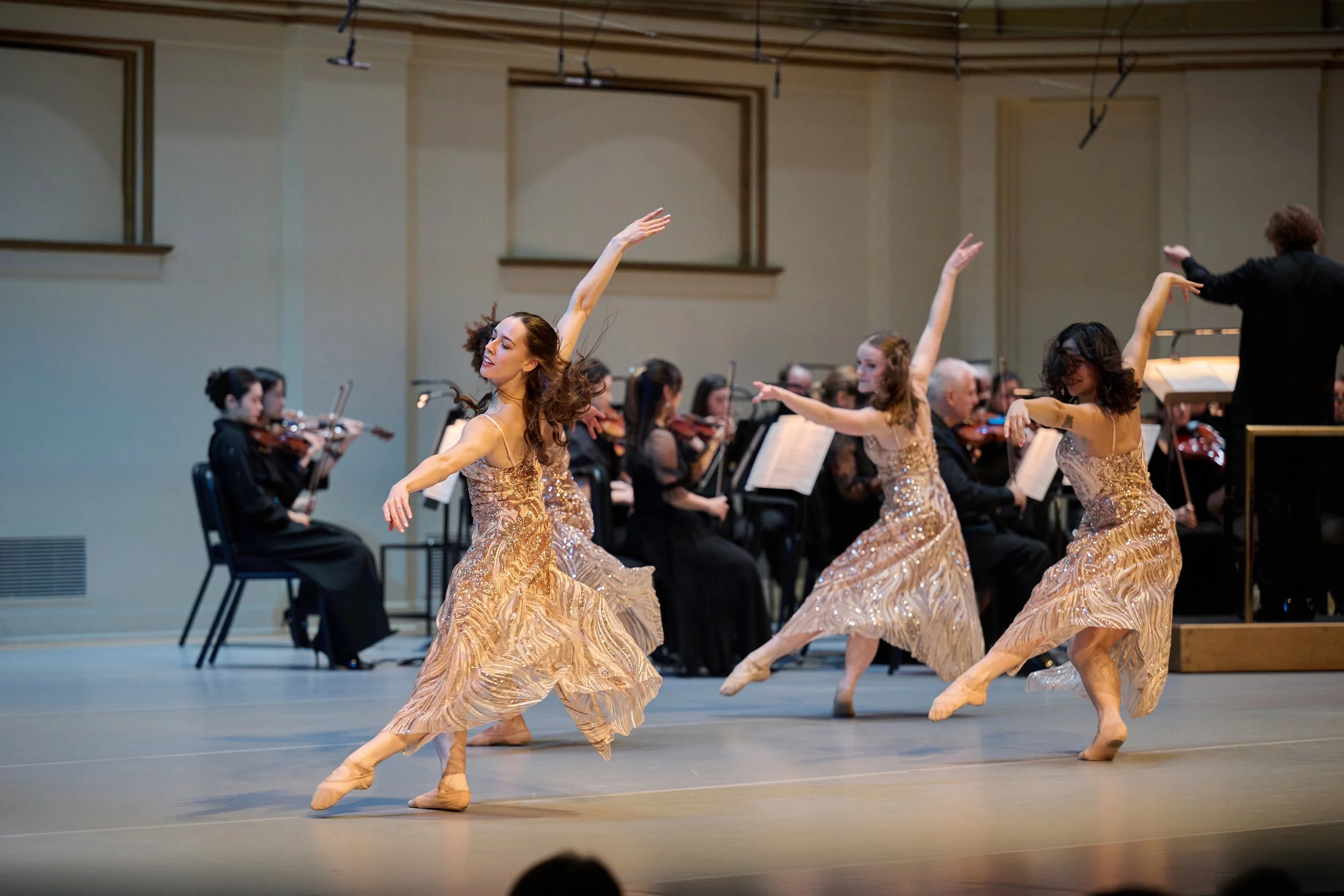
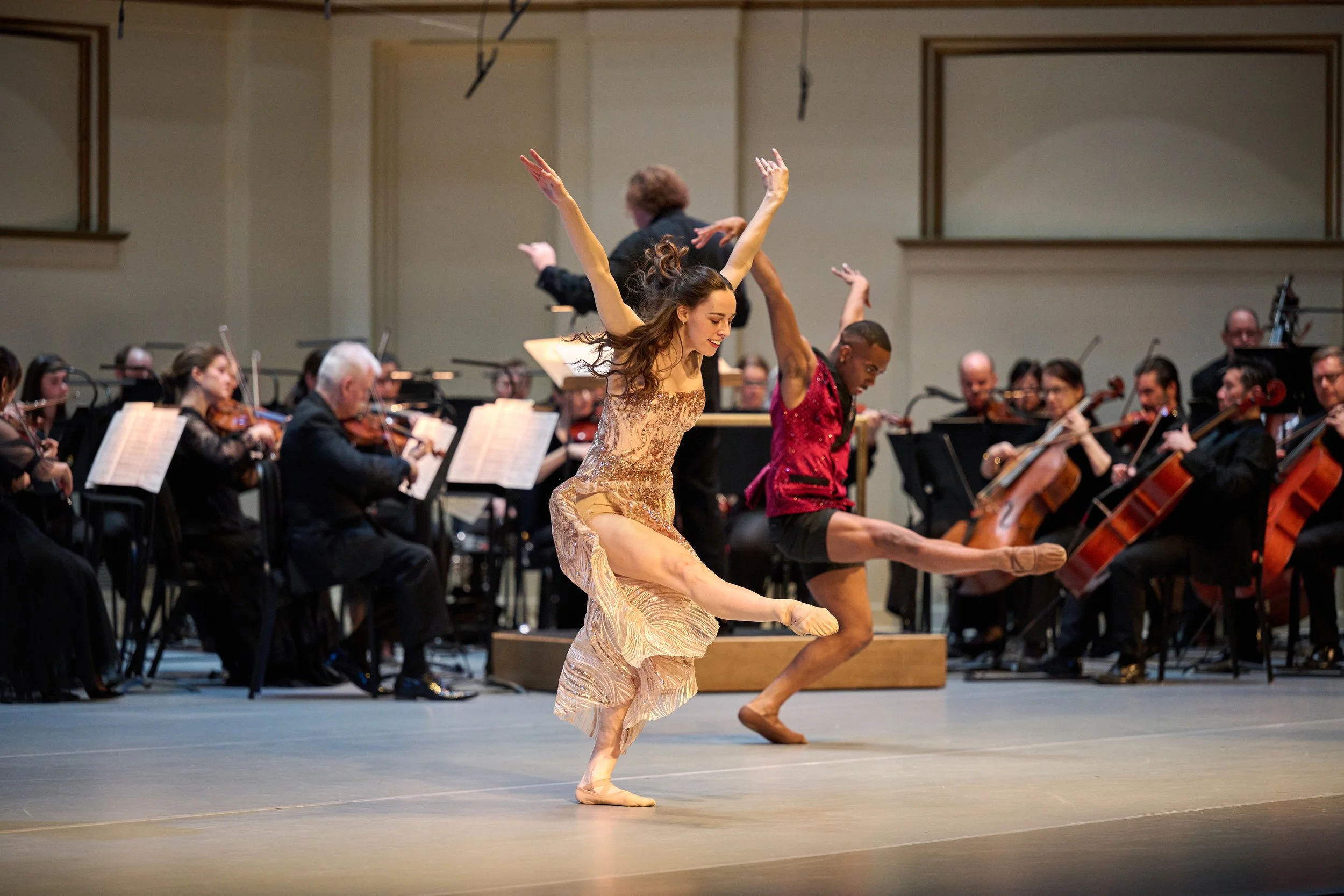
Choreographer and Artistic Director of the STLDT, Kirven Douthit-Boyd kept the suite’s original sequential structure but abandoned the original storyline of the Commedia dell’arte. Instead, Douthit-Boyd drew inspiration from the vaudeville history of SLSO’s own famous performance center, Powell Hall. One can see this inspiration from the costumes, with the women wearing shimmering champagne-colored dresses with silver trim, echoing much of Powell Hall’s main stage framing, and the men wearing red vests and standard dress pants, resembling those of a vaudeville showman. Douthit-Boyd’s choreographic structure also gives a lens into his vaudeville inspiration. Dancer Demetrius Lee acted as a “master of ceremonies,” leading every movement before the dancers began their section and joining in during ensemble moments as if he was encouraging the dancers to perform. Each movement served as a separate act for the night, with some intertwining fanfare in the beginning, middle, and end.
Douthit-Boyd honored Pulcinella Suite by using neo-classical vocabulary but infusing it with some contemporary flair. It was nice to see the dancers' versatility. Some standouts included: the opposing strength and grace between dancers Molly Rapp and Will Brighton in their duet in the Serenata, the fun and intricate choreography from the Tarantella, performed by dancers SenSaSheri Maasera, Gillian Alexander, Julia Dawson, and Julia Lucarelli, Angel Khaytyan’s power of grace and control in their solo moment from the Gavotta, to name a few. But the star of the night had to be the “master of ceremonies,” Demetrius Lee. He graced the stage with both power and elegance from his pirouettes to his masterful sissones. It probably goes without saying that the SLSO musicians, under the leadership of conductor Stéphane Denève, performed beautifully, adding yet another layer of professionalism and immersion for both the dancers and the audience.
Overall, Pulcinella Suite was another wonderful collaboration between the SLSO and the STLDT. Proving two things yet again, that the dancers at STLDT are exceptional and versatile, and that everything is better with live music.
Photos by Kelly Pratt